DTU – Technical University of Denmark
Lyngby, Ballerup and Risø Campuses
Project
DTU – Technical University of Denmark – Lyngby, Ballerup and Risø
Client / Contracting authority
Technical University of Denmark
Role
Lead Consultant / Client Advisor. Strategic Campus Plans, Site Analyses, Strategic Analyses, Land-Use Analyses, Volume Studies, User Involvement, Development Plan, Guidelines for Common Areas and Learning Spaces, Landscape Design Guide, Design, Cost Estimates, Supervision.
Ingeniør
Other partners
Rekommanderet A/S, Urgent Agency, Bang & Beenfeldt.
Status
Client advisor from 2018 - ongoing
Outdoor area
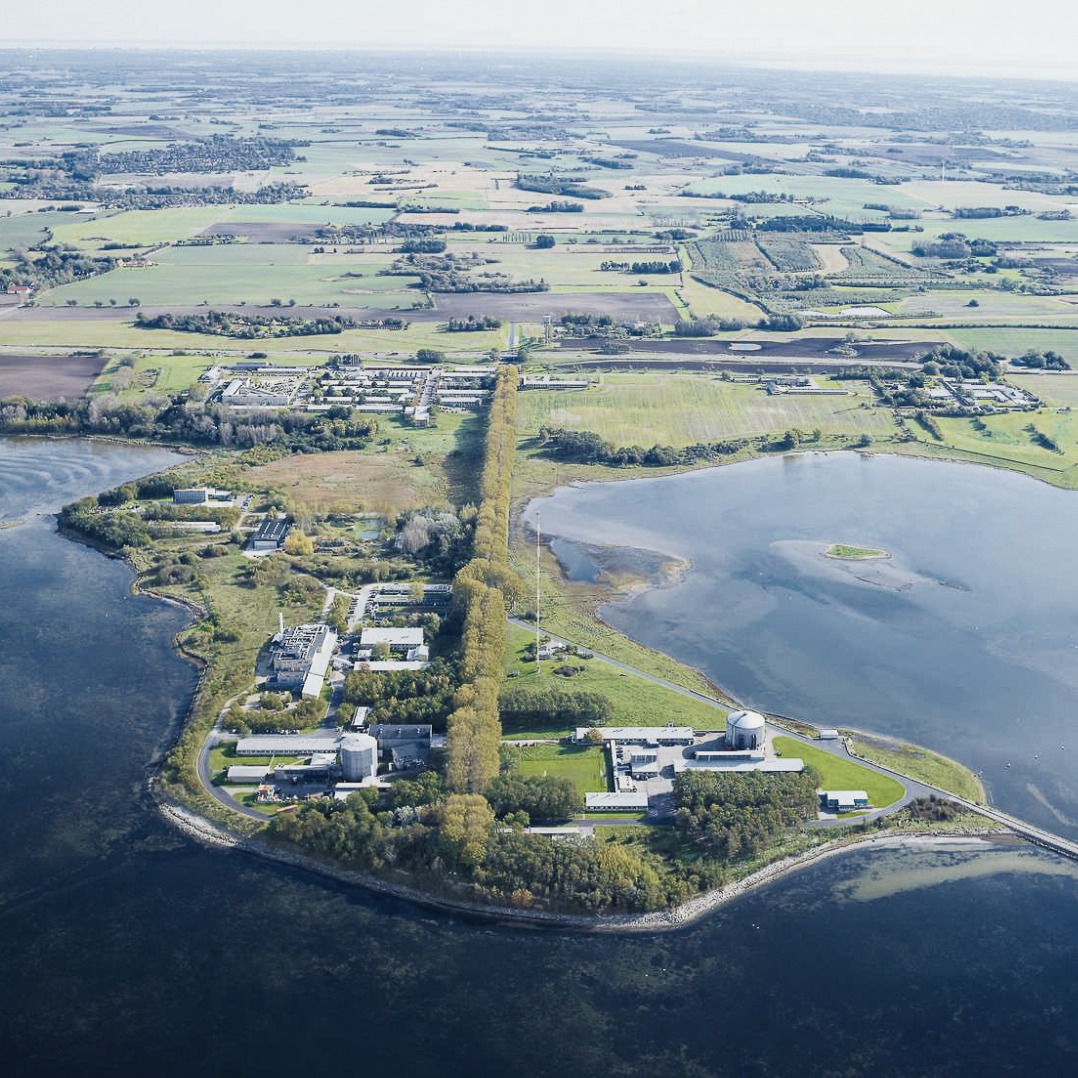
Outdoor areas of varying size (Strategic Campus Plans, 170 ha Risø / 12 ha Ballerup) down to the smallest area of 2,700 m² (Nordstien).
Awards
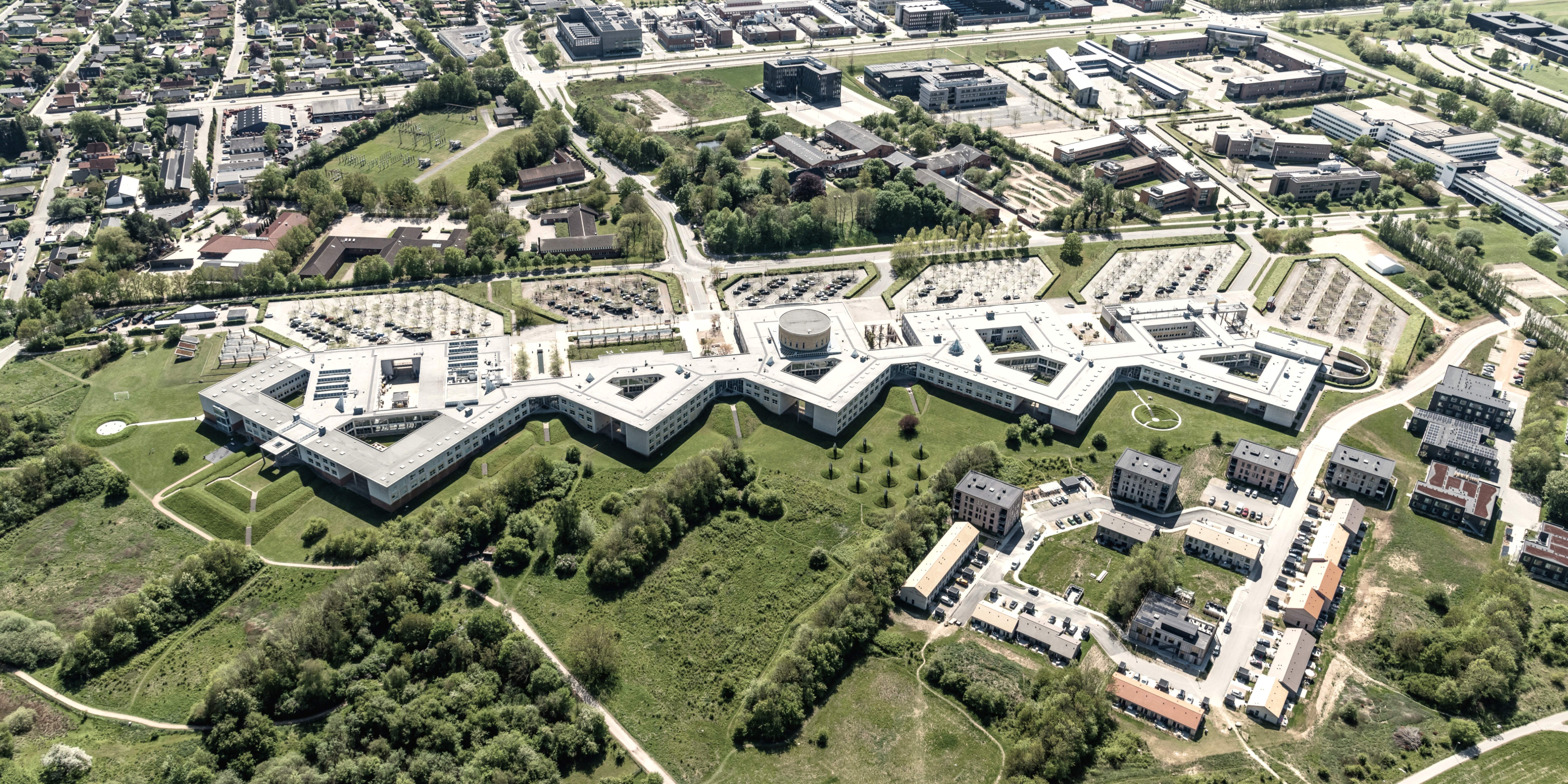
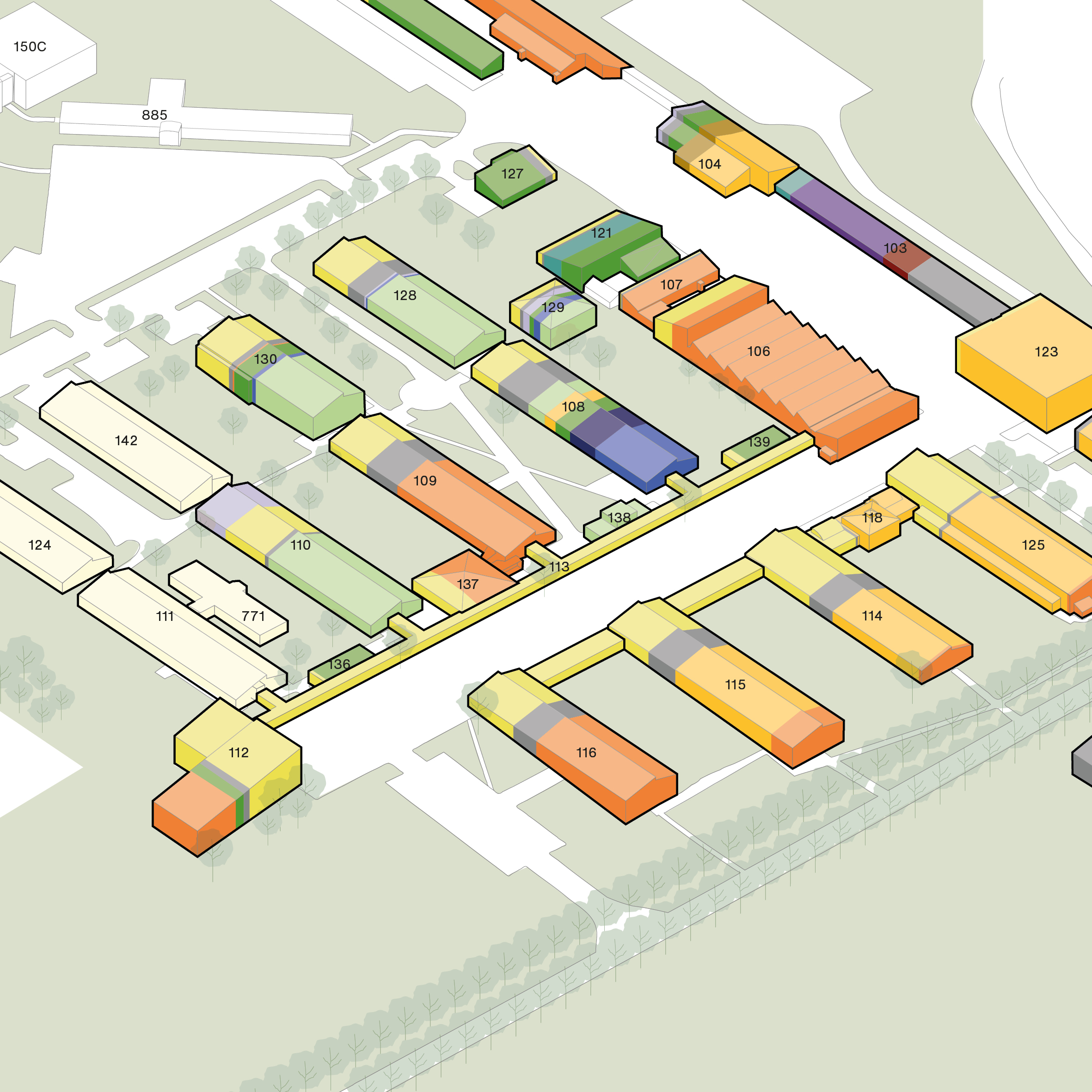
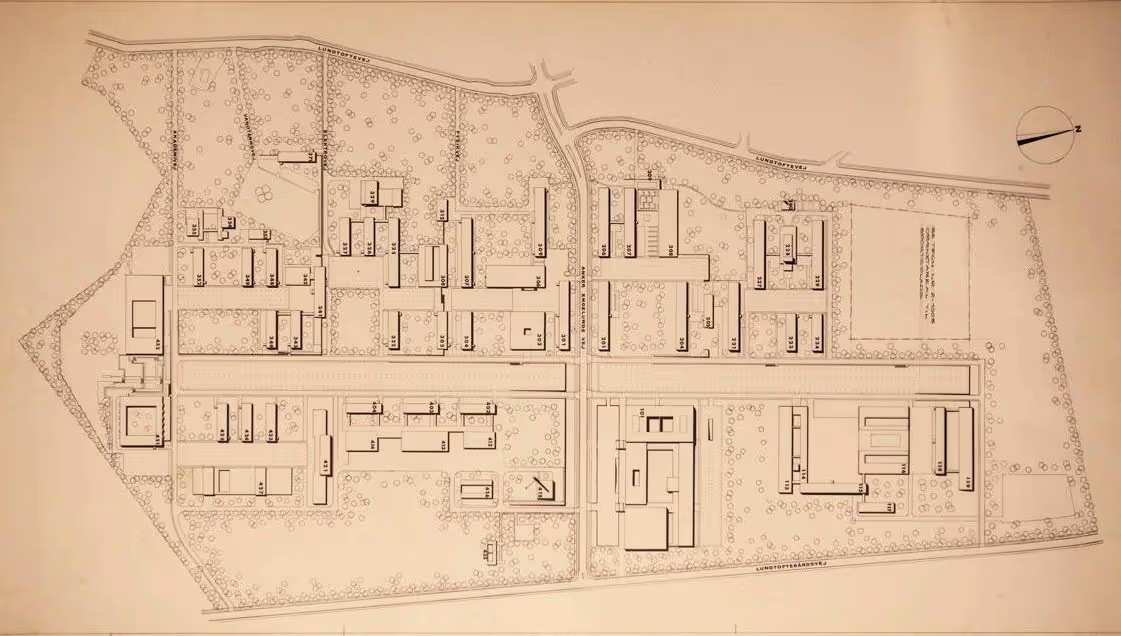
Schønherr continuously advises DTU in processes ranging from strategic planning to realisation. For DTU Ballerup, DTU Risø and DTU Lyngby, strategic campus plans as well as site and land-use analyses have formed the basis for future projects. The planning is rooted in robust development plans, high-quality landscape architecture, and the unique landscape frameworks that characterise the three campus areas.
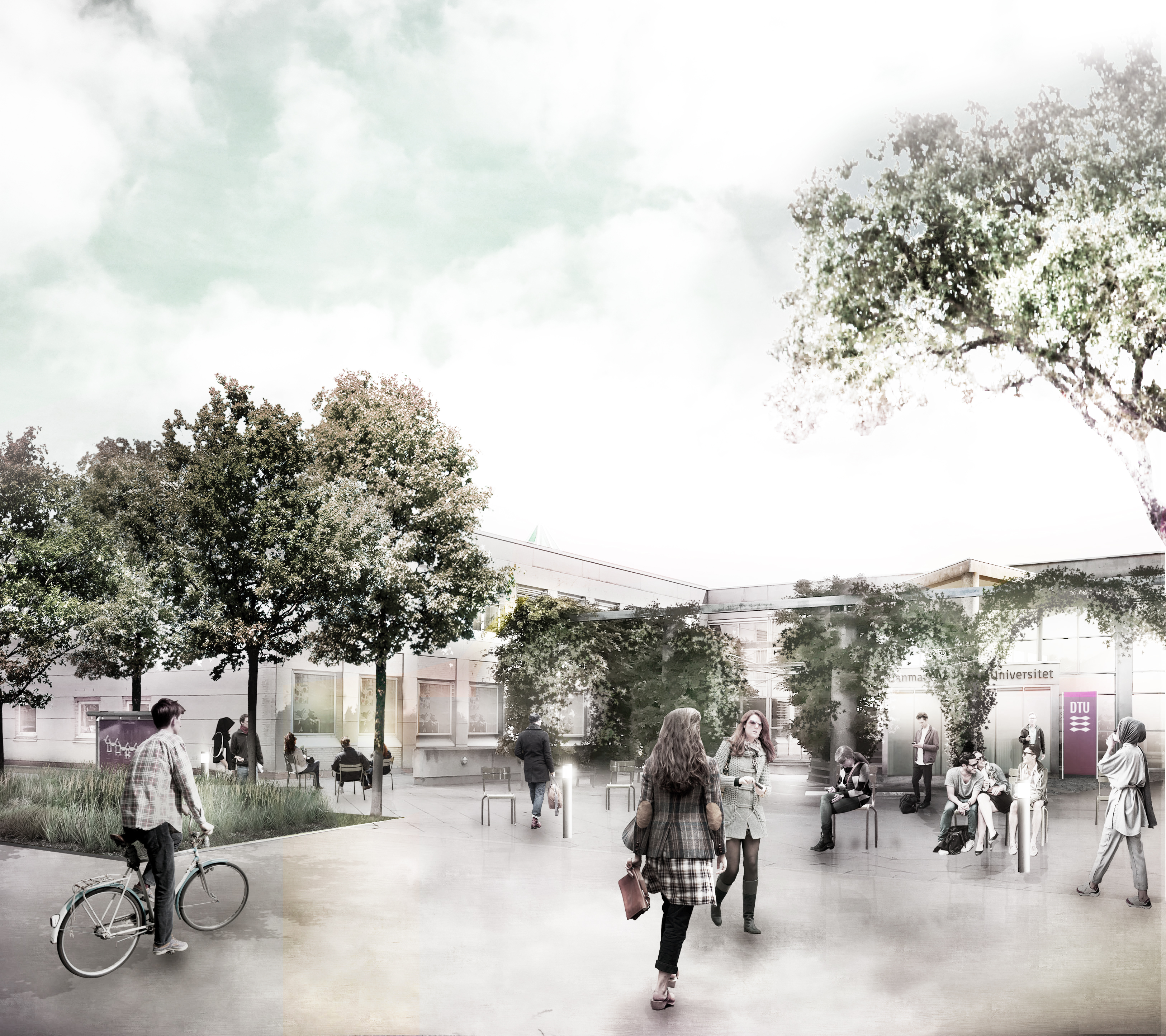
The plans are developed with flexibility and resilience in mind, allowing for changing needs over time. Land-use and development plans are designed with consideration for function, mobility, and materials, supporting sustainable operations. The proposals build on existing qualities while creating new, cohesive landscape spaces of high aesthetic standards.
Citizen and user engagement is a guiding principle. Administration, teachers, students, management, and other stakeholders actively contribute, ensuring that the plans are both locally anchored and professionally optimised.
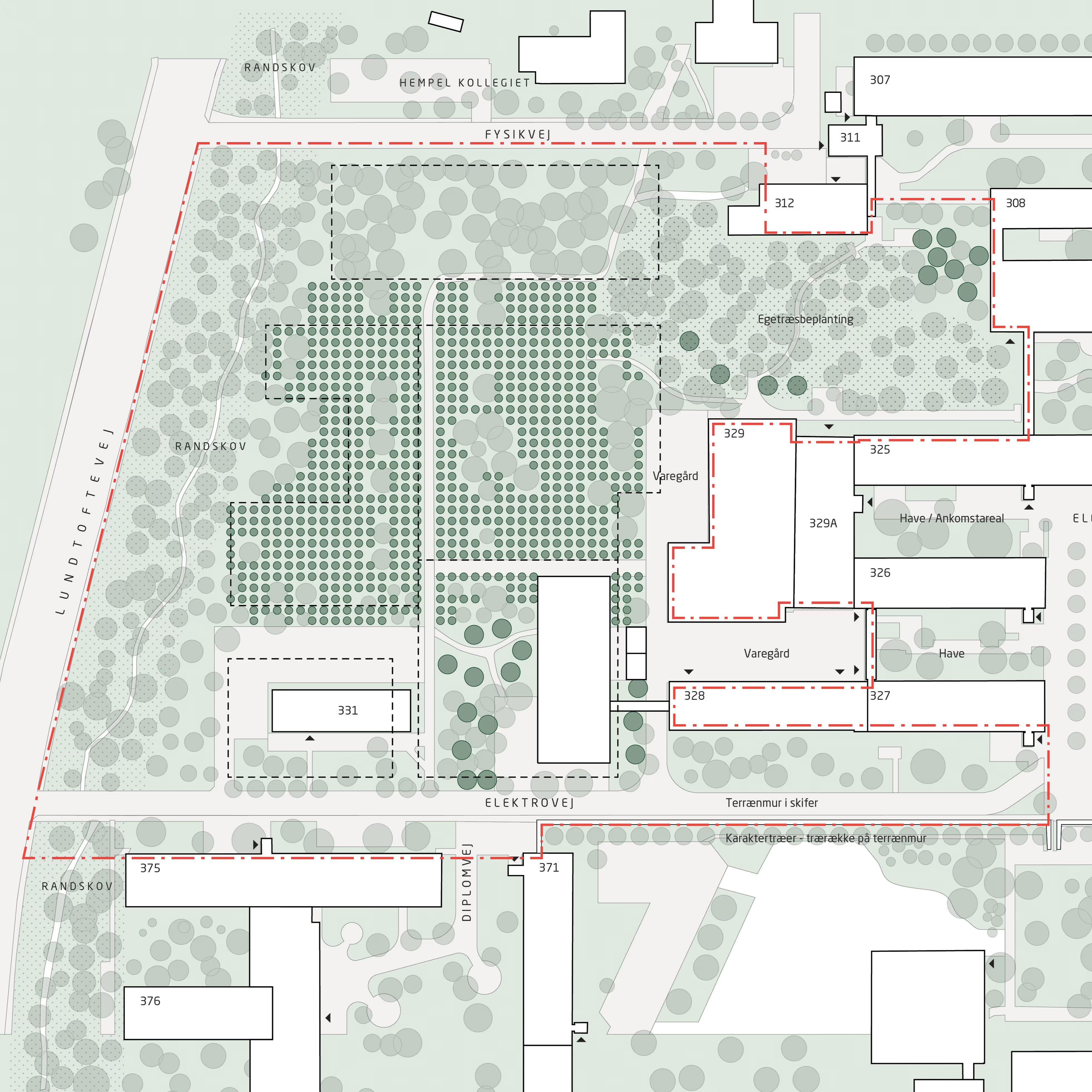
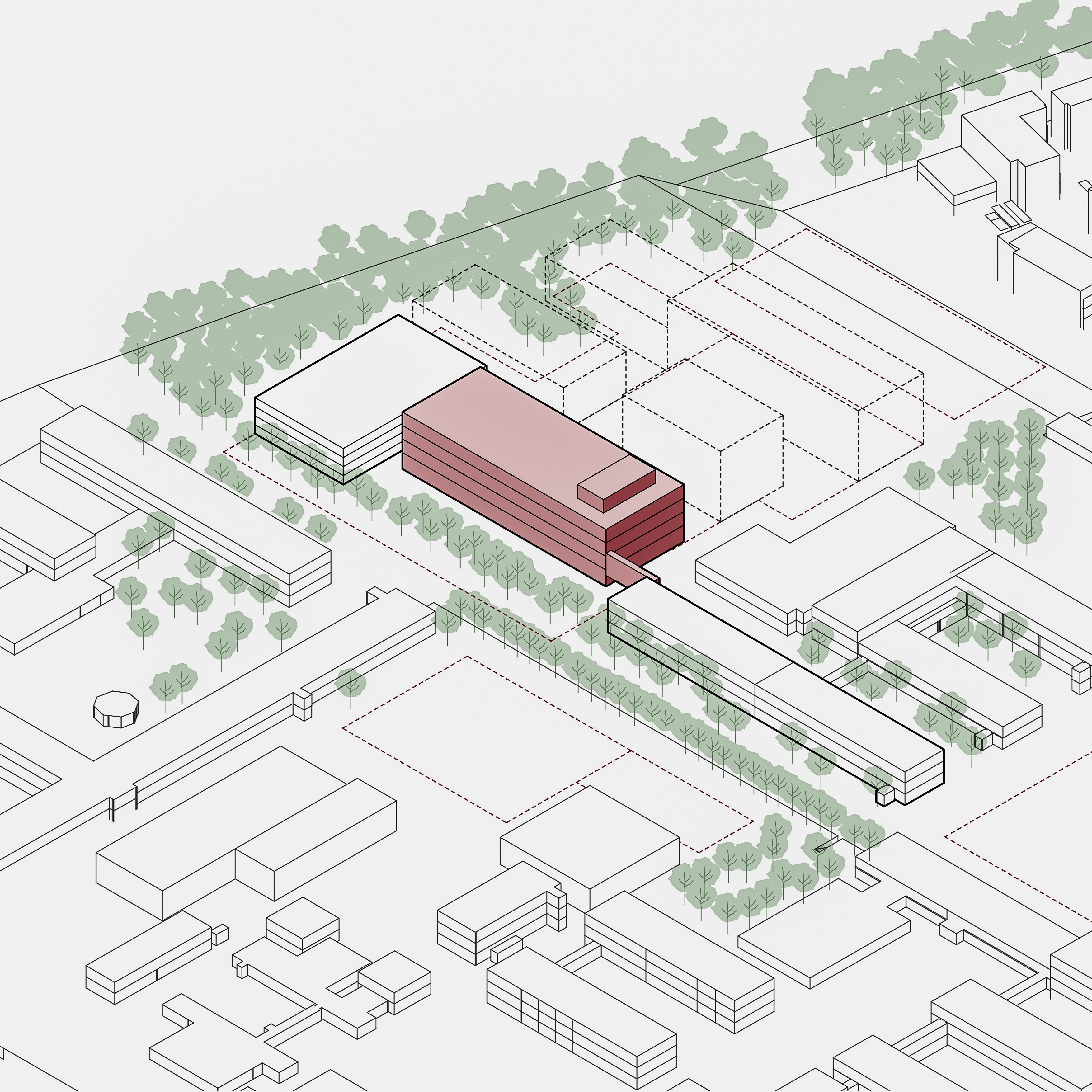
The analyses range from volume studies to microclimate investigations and botanical registrations. The result is a documented decision-making basis that highlights the advantages and disadvantages of different scenarios.
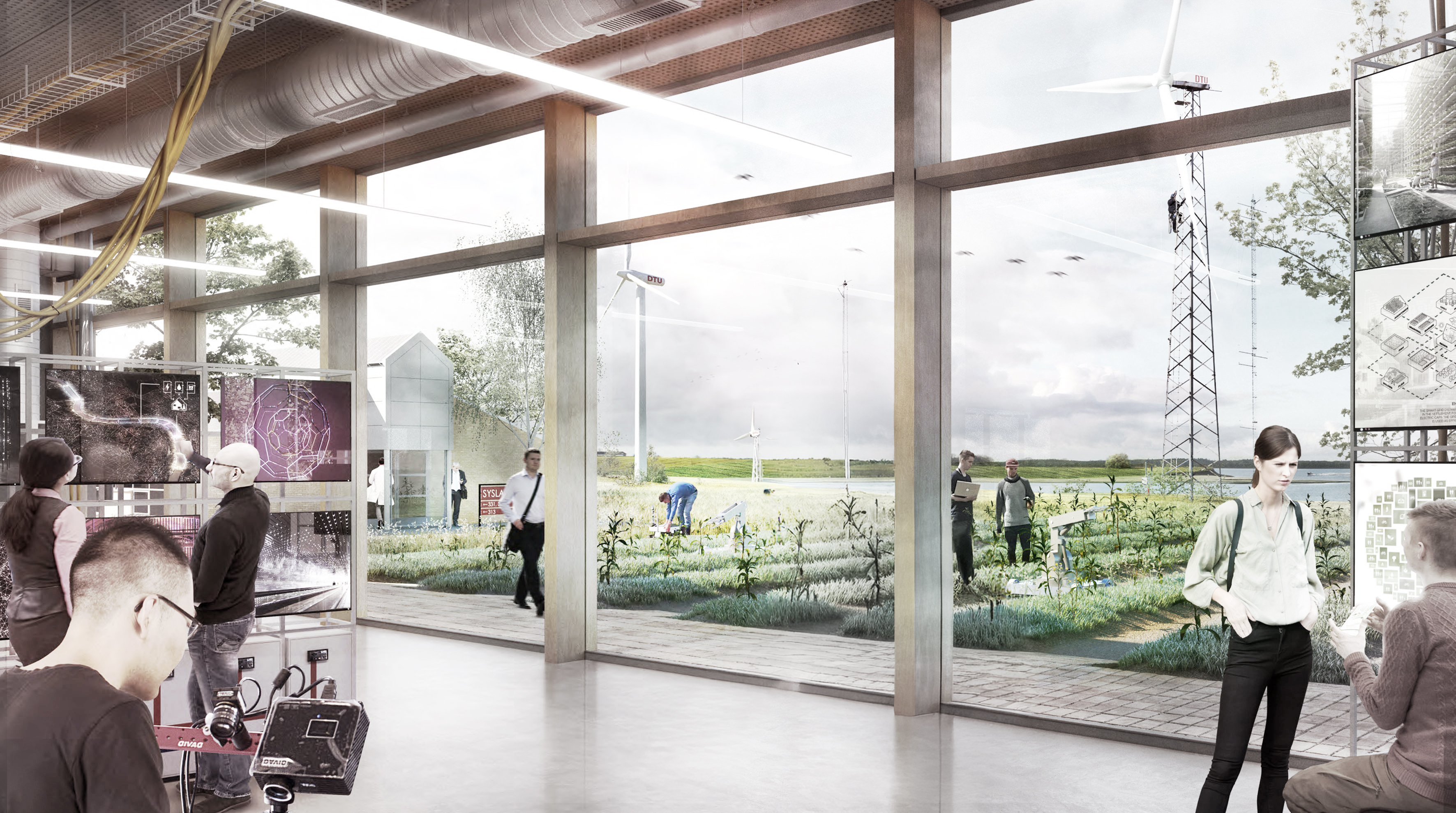
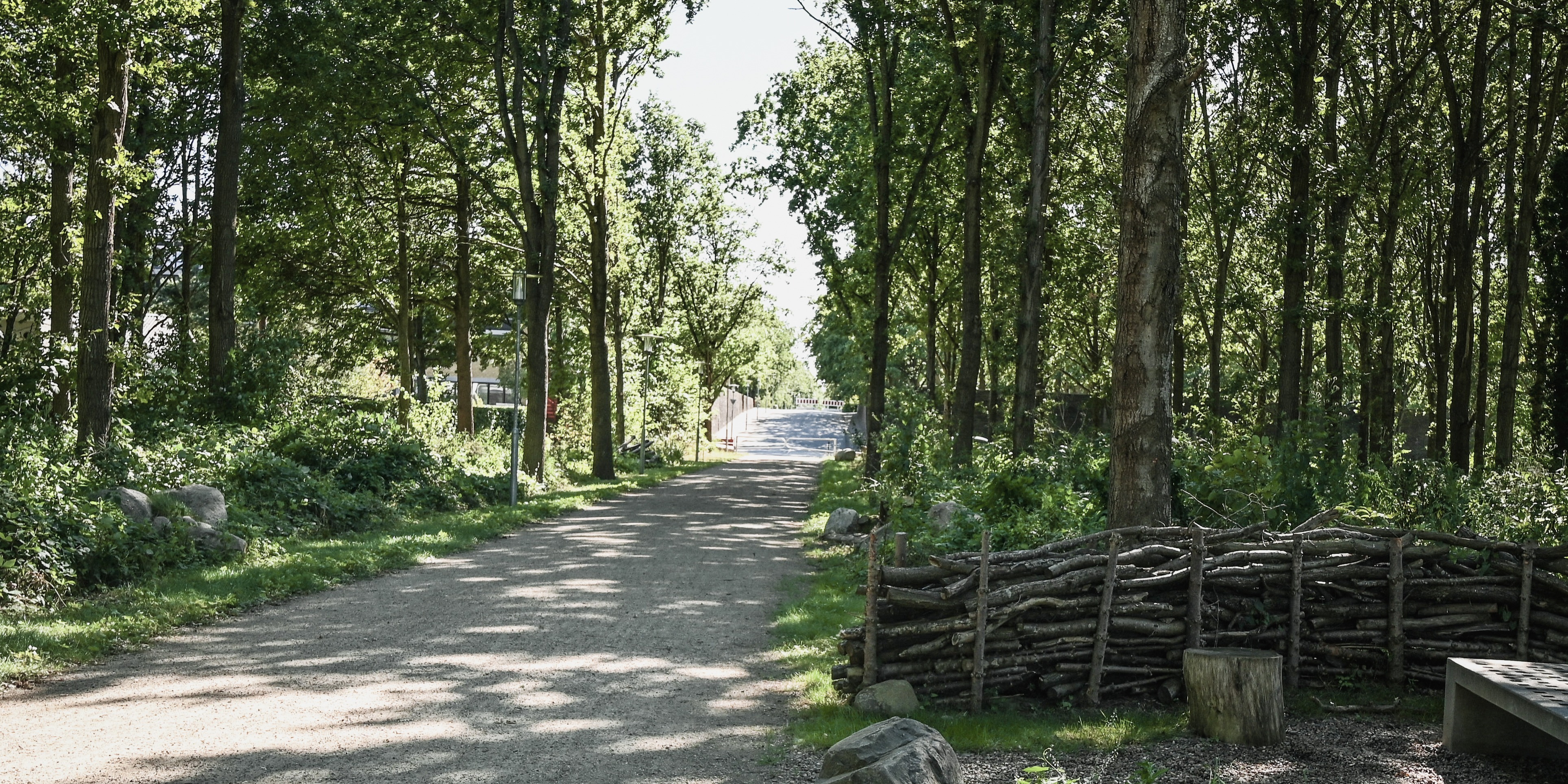
As client advisor, Schønherr acts as a sparring partner in both strategic and specific projects – from masterplans to individual projects such as DTU Nordsti, which creates a new connection between campus areas. The overall approach is considered in everything from the use of buildings and design of ground floors to accessibility conditions and outdoor areas, so that the campuses develop into vibrant environments that foster community, well-being, and learning.