The Carlsberg City District
Urban spaces, climate adaptation and new nature
Project
The Carlsberg City District – urban spaces, climate adaptation, and new nature between old and new buildings
Client / Contracting authority
Carlsberg Byen
Role
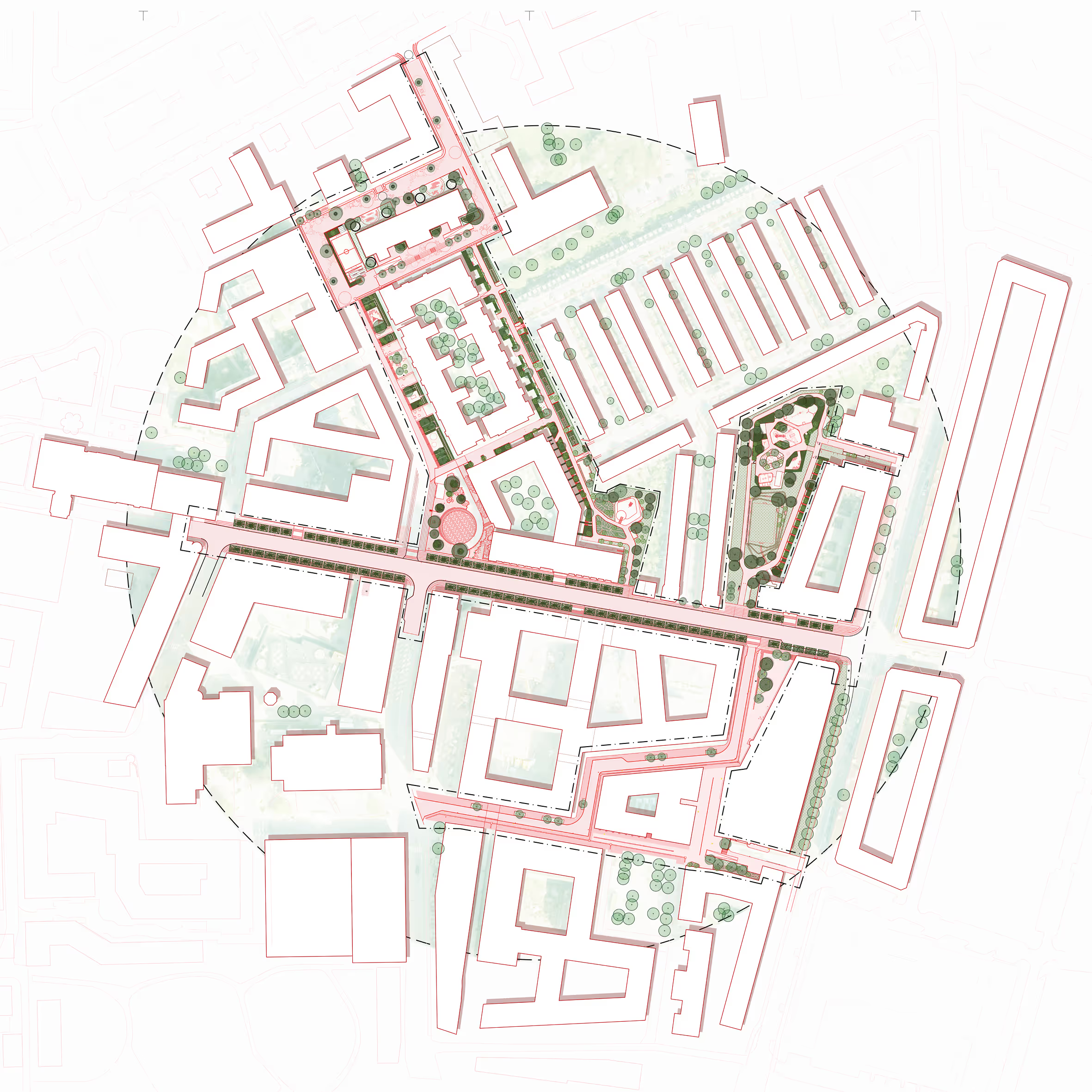
Co-consultant on the urban spaces Thorvald Bindesbølls Square, Købke’s Square, Constantin Hansen’s Street, West of Humlen, East of Humlen, Gærtorvet/Lager Street, and Ny Carlsberg Street. Conceptual design, detailed design, site supervision, and project follow-up.
Ingeniør
Other partners
Rambøll A/S, Arpe & Kjeldsholm, Danielsen Architecture, Masterplan: Entasis
Status
Completed 2024
Outdoor area
16.500 m²
Awards
Total construction cost
DKK 59,2m
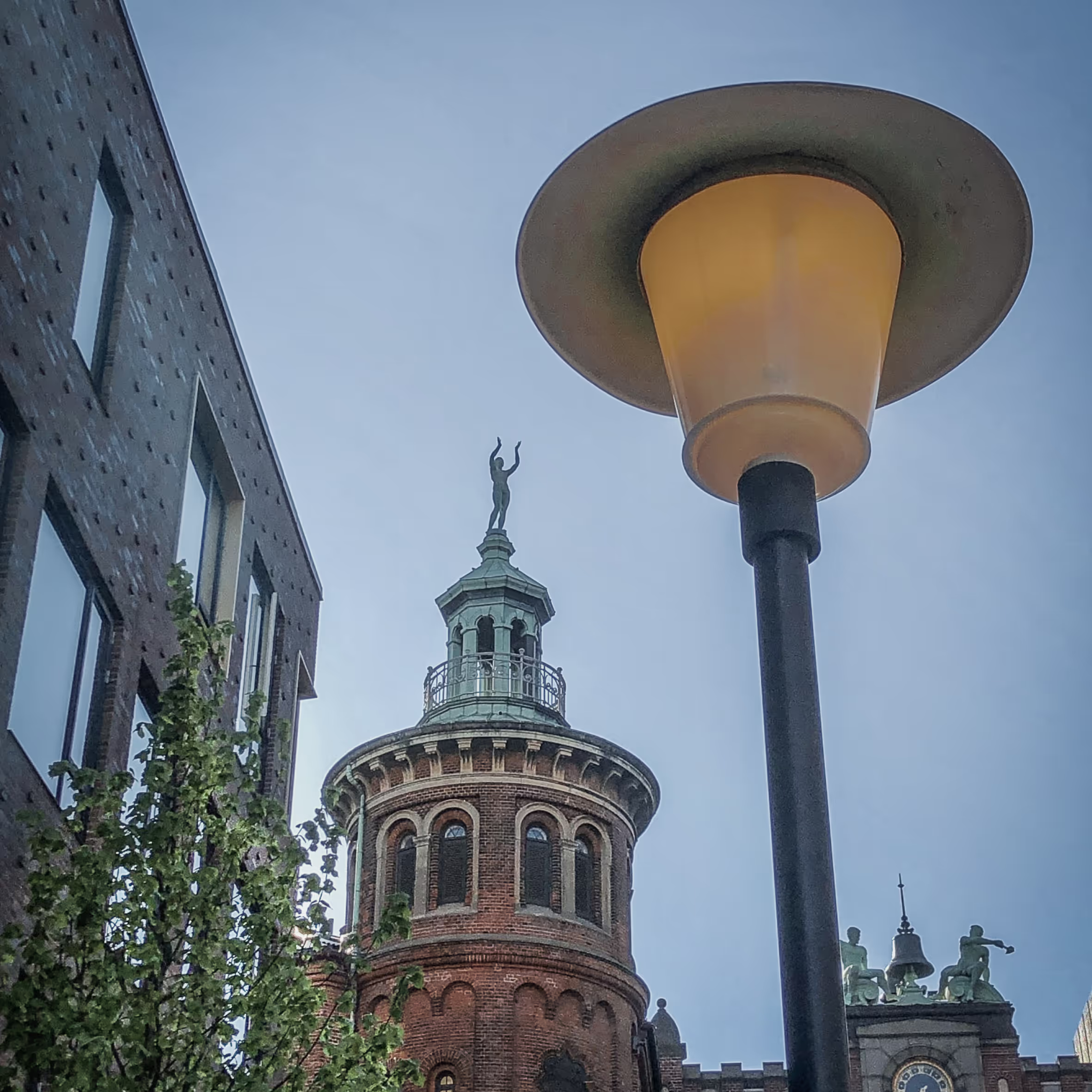
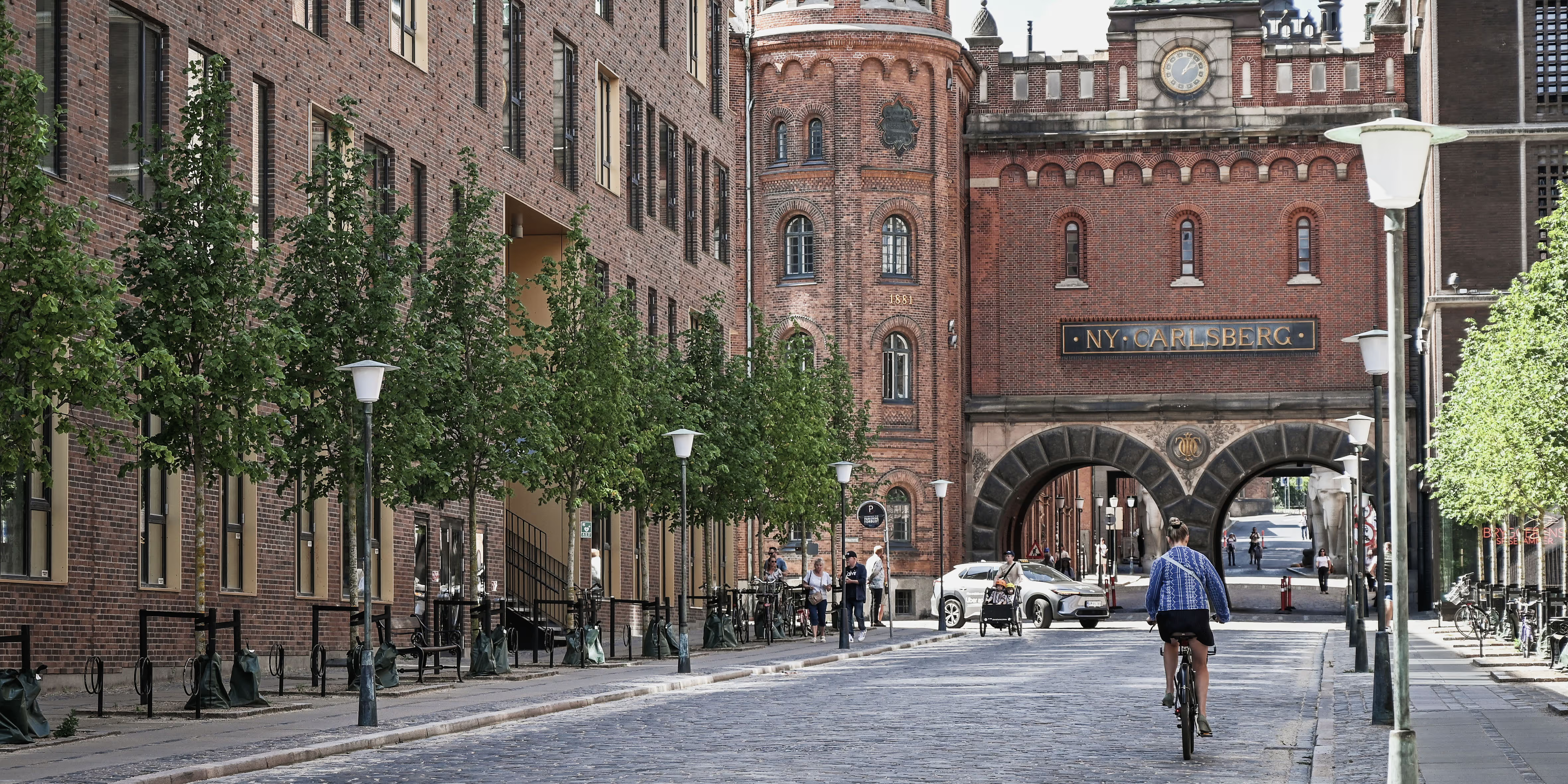
As part of the urban development of the Carlsberg City District, five urban spaces have been designed with a focus on climate adaptation, cultural heritage, and community. The urban spaces are rooted in the site’s cultural-historical context as a former brewery district in Vesterbro. The new public spaces draw on the narrative of classical Copenhagen through material choices such as Copenhagen pavements and granite stone curbs.
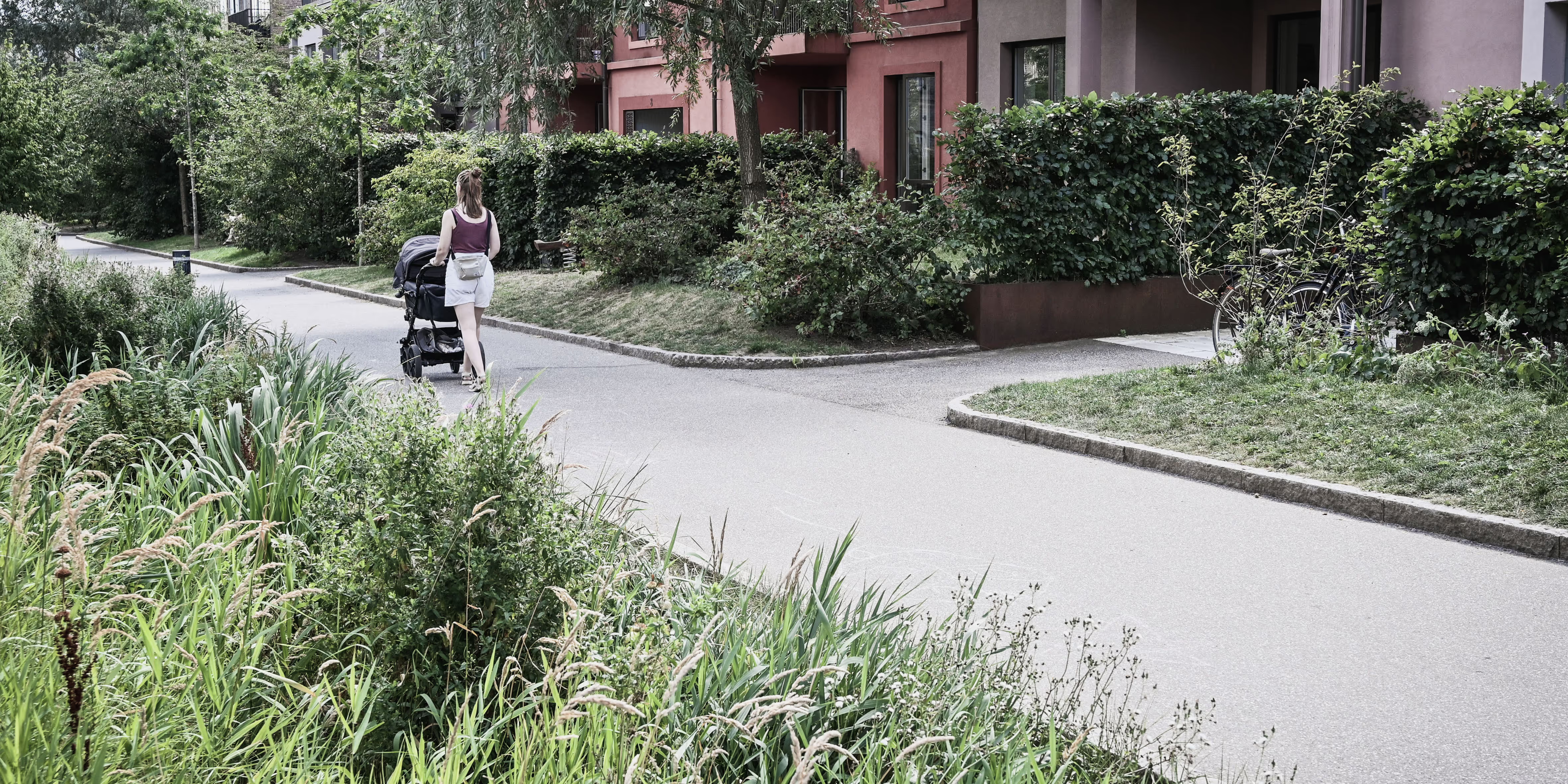
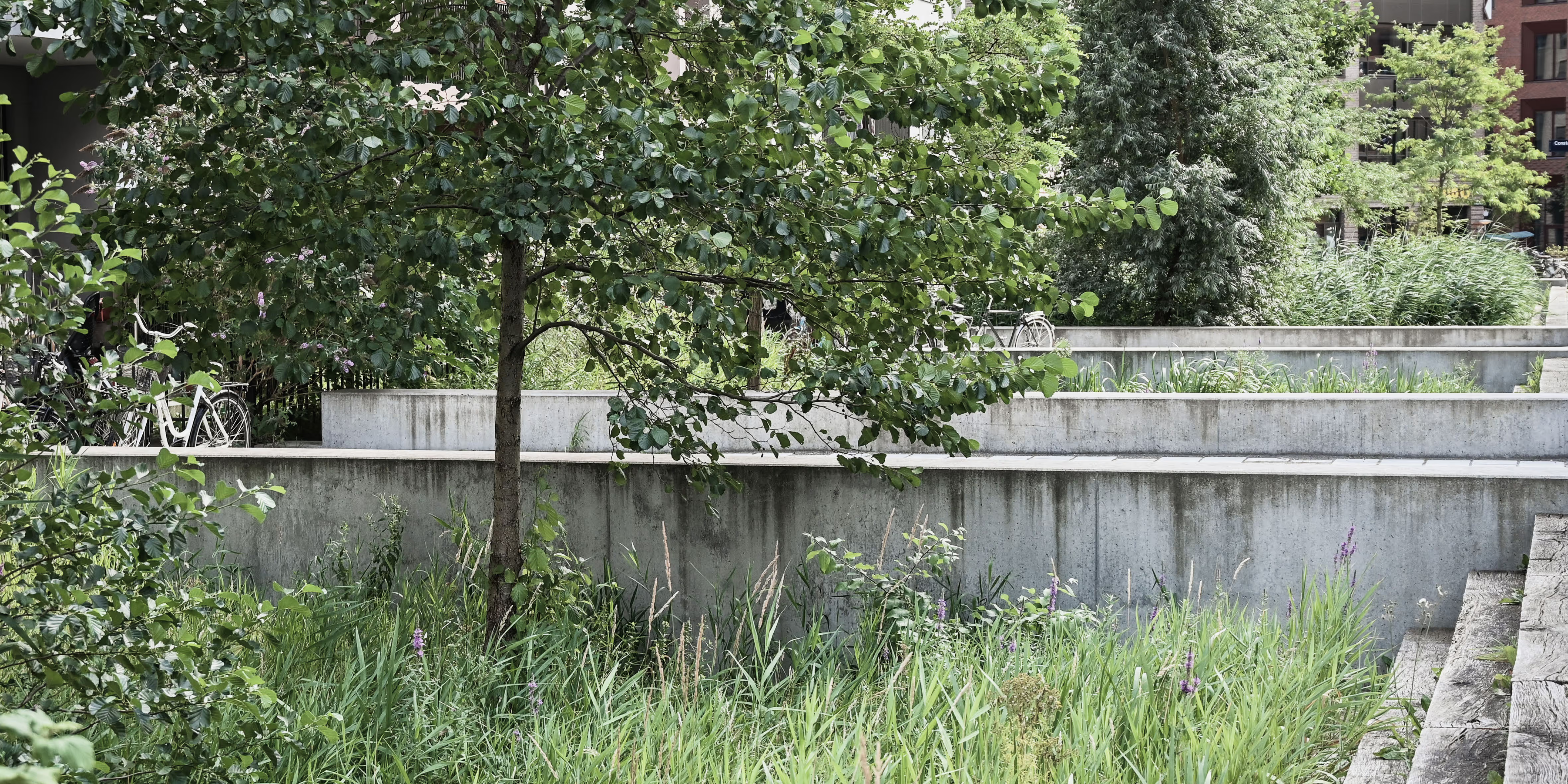
The green urban spaces integrate climate adaptation as both a functional and aesthetic element of the urban fabric. Surface solutions with retention basins, channels, and gutters are dimensioned to manage 3.000 m³ of rainwater during a 10-year rainfall event while also providing recreational value during dry periods.
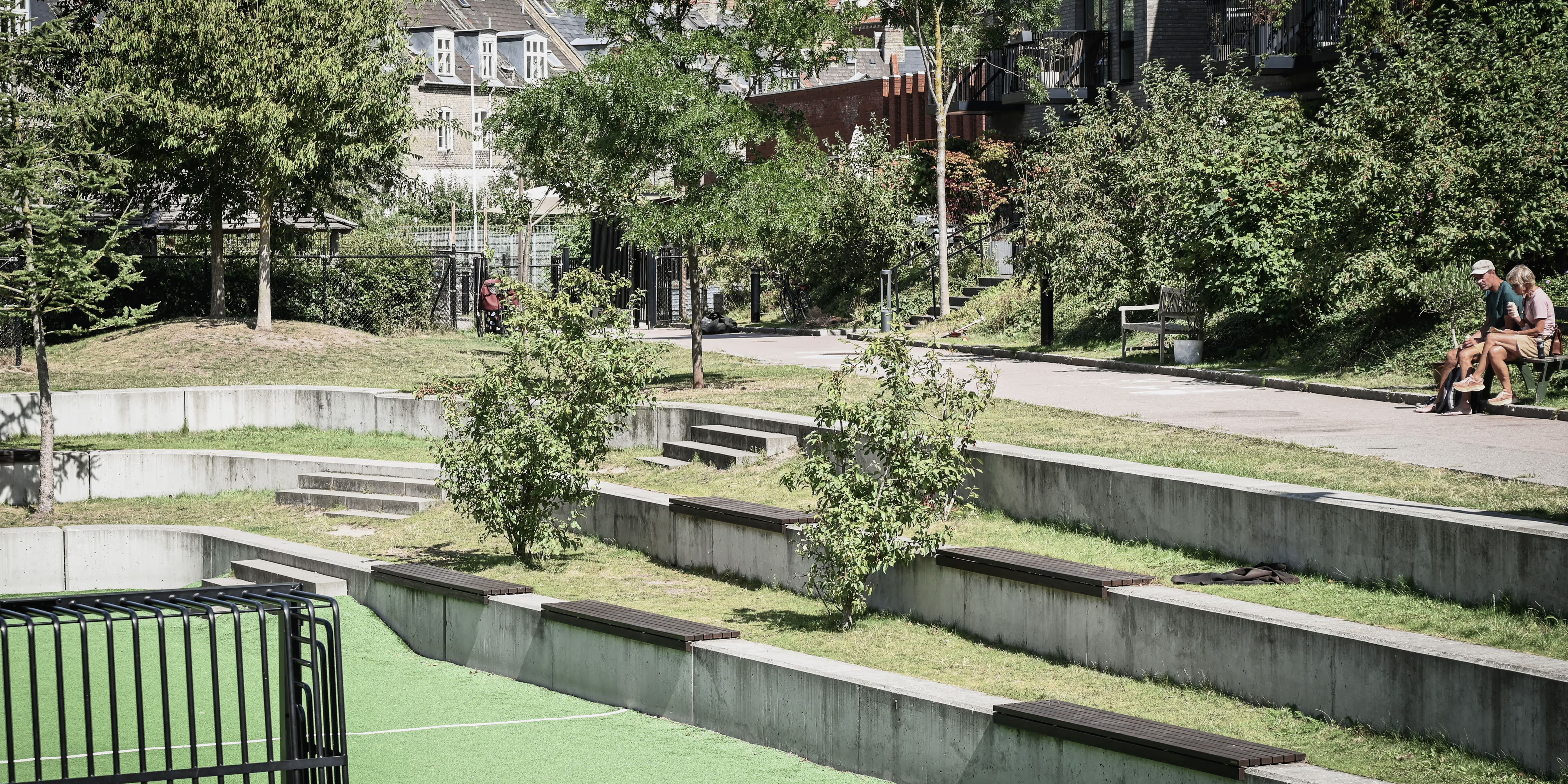
The solutions are tailored specifically to each urban space with an emphasis on multifunctionality – from ball courts and seating edges to playgrounds and meeting areas. At the same time, vegetation is varied and supports both biodiversity and sensory experiences within the city’s dense structure.
The areas are designed to embrace a wide range of users and to strengthen the local community. In example, the urban space East of Humlen has been equipped with a playground for a new municipal daycare.
Together, the urban spaces form a green, active, and climate-adapted coherent urban tissue – a reinterpretation of the historic city landscape in the heart of Copenhagen.