Kokkedal Climate Adaptation
A blue-green garden town
Project
Kokkedal Climate Adaptation – using water as a lever for a new identity as a blue-green garden town
Client / Contracting authority
Fredensborg Municipality, Realdania, The Danish Foundation for Culture and Sports Facilities, AB Hørsholm Kokkedal, Housing Association 3B
Role
Lead consultant, 2-stage competition. Project management, stakeholder involvement, design, site supervision, and project follow-up.
Ingeniør
Other partners
Rambøll, Ebbe Dalsgaard A/S, P. Malmos A/S, visual artist Eva Koch
Status
Inaugurated 2017
Outdoor area
69 hectares
Awards
DANVA and Realdania Climate Award 2017
Research projects
The technical effect of rainwater by Professor Marina Bergen Jensen, LIFE, University of Copenhagen. Social effects / urban life / architecture & urban spaces by Professor Gitte Marling and Hans Kiib, Aalborg University. Organizational learnings by Dorthe Hedensted Lund and Karina Sehested, LIFE, University of Copenhagen.
Total construction cost
DKK 80m
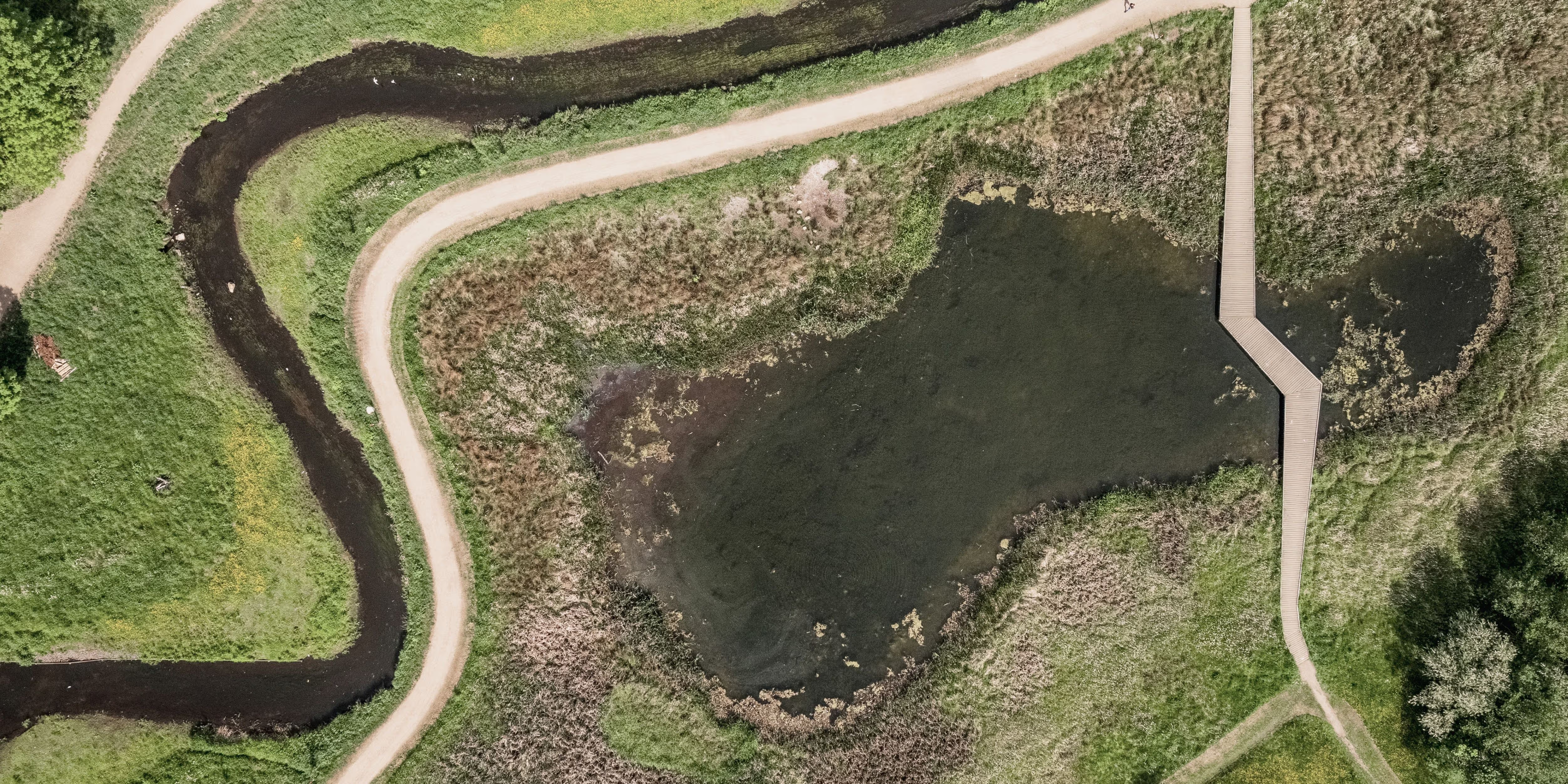
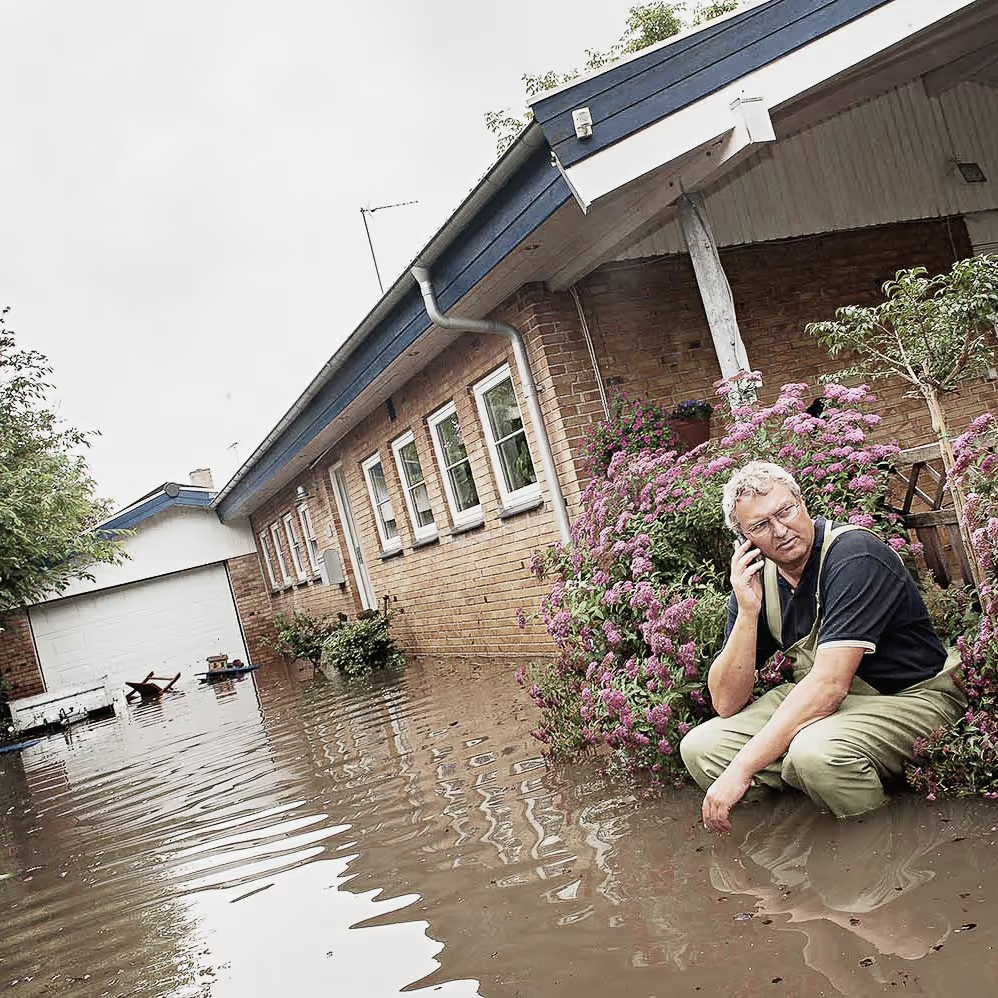
In 2012, Kokkedal faced major issues: the Usserød Stream regularly flooded the town, public spaces were worn down, safety was low, and several neighborhoods were socially challenged. The overall idea behind the project was to use climate adaptation as a lever – not only to manage water, but also to connect the town’s fragmented areas, create attractive meeting places, and bring nature closer to the residents.
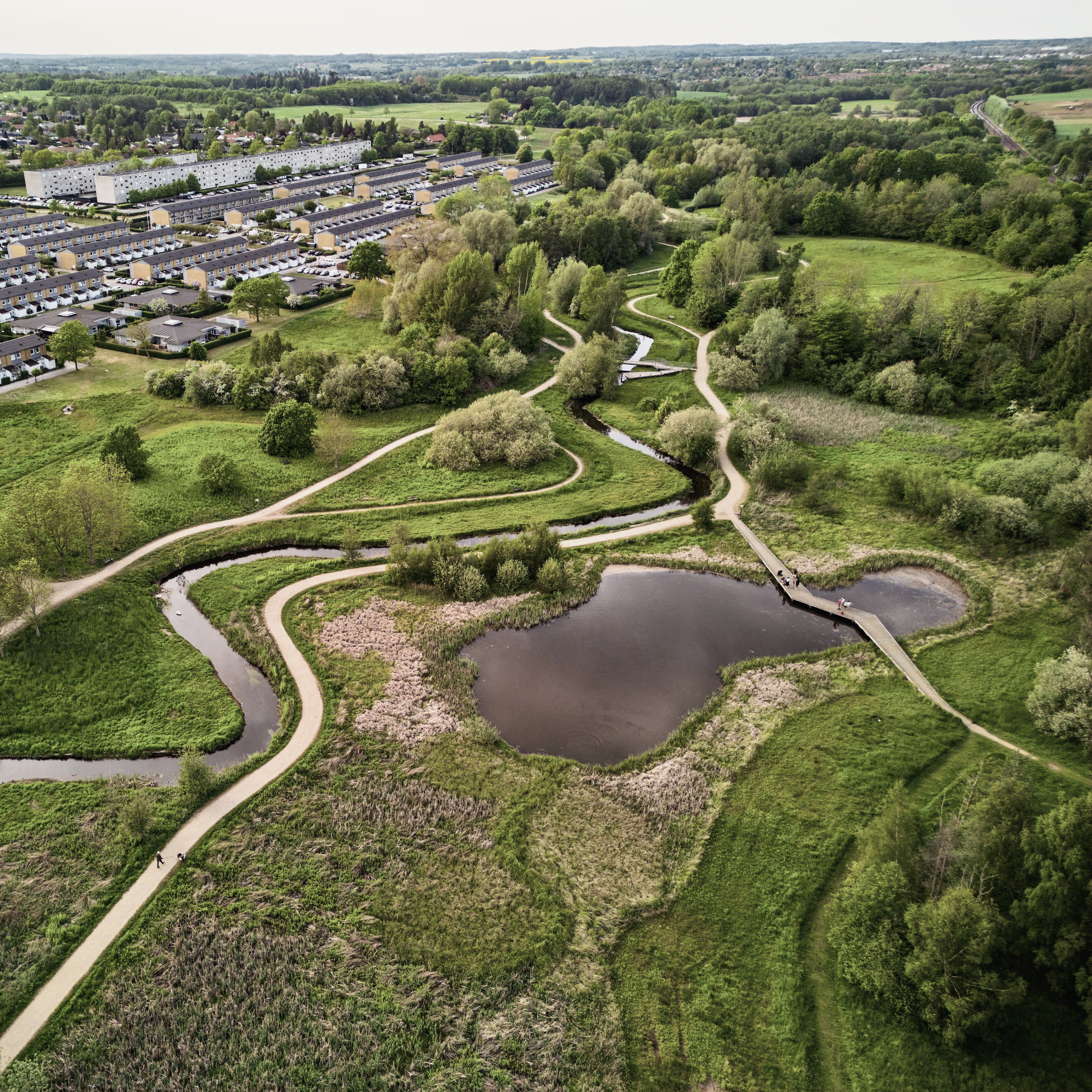
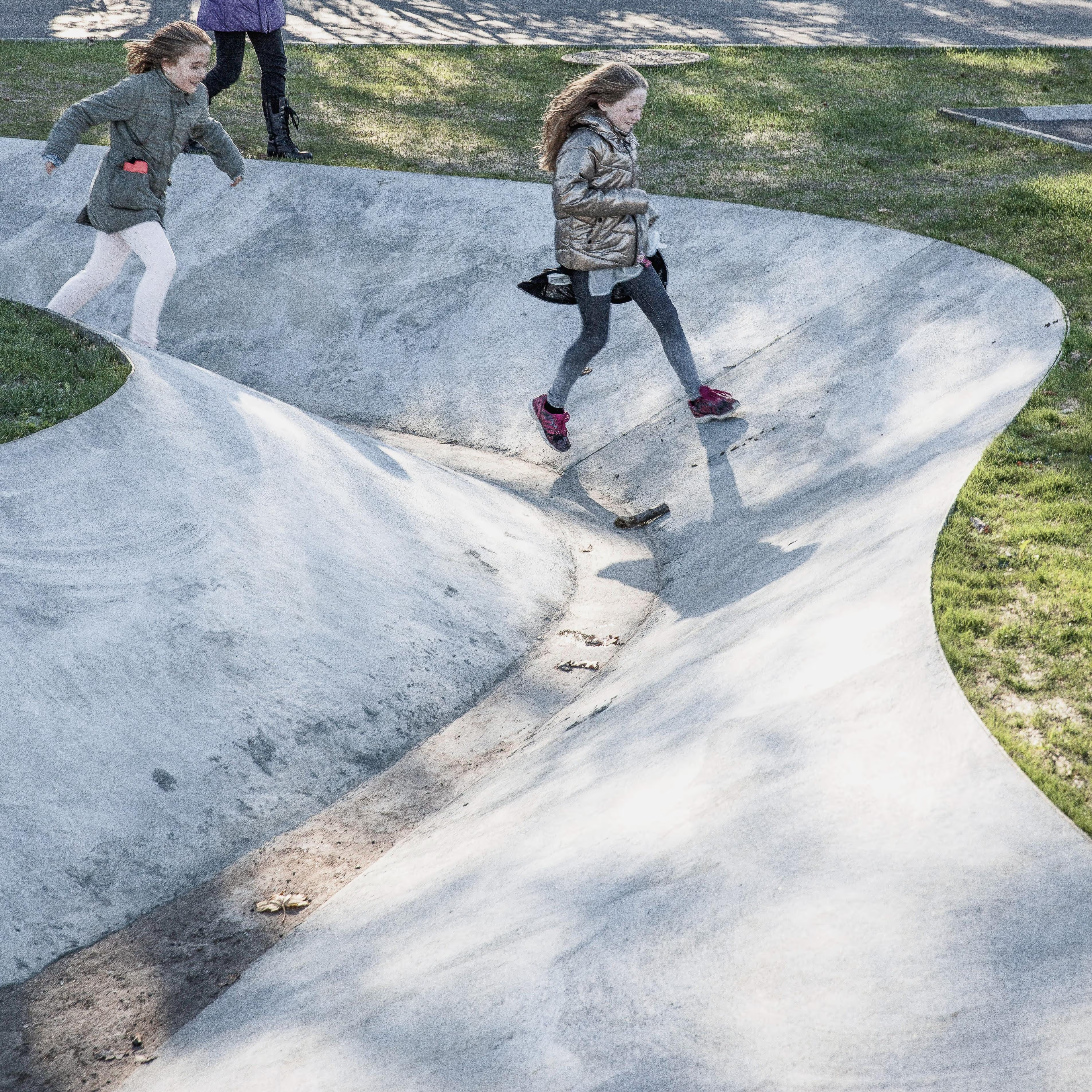
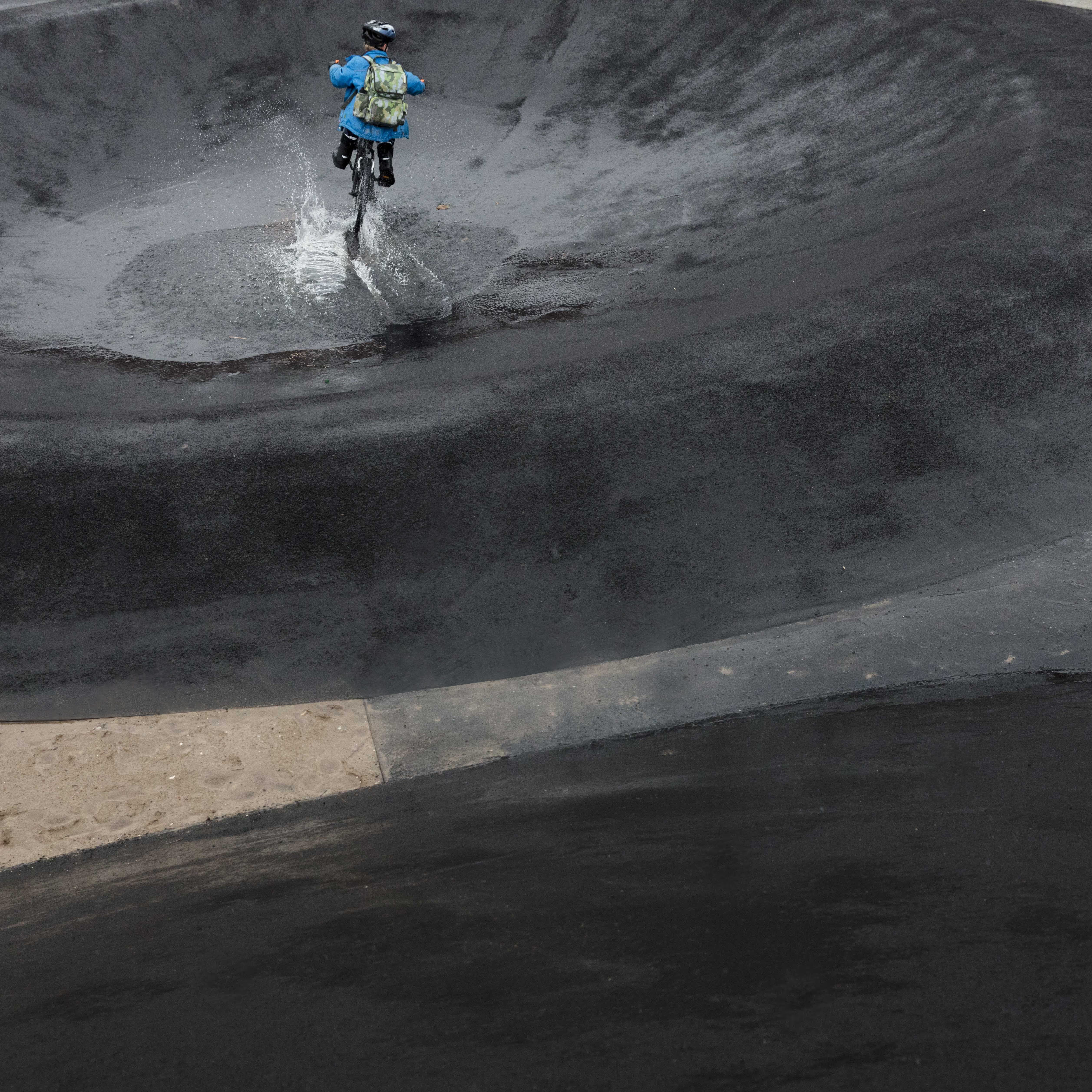
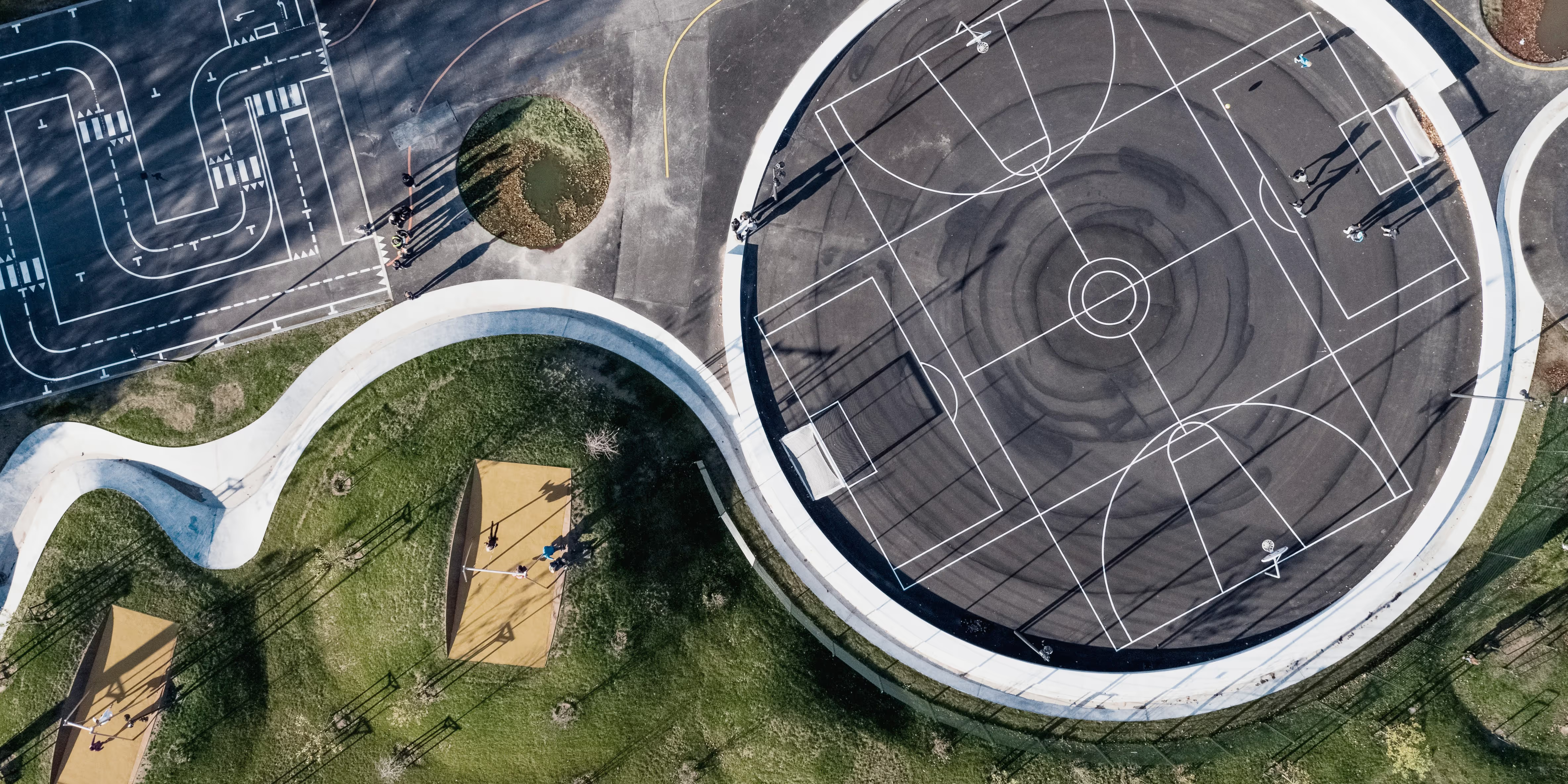
Instead of hiding stormwater in underground pipes, it is made visible as a beautiful, active element of the urban space. Furthermore, the stream – which once formed the town’s “backside” – has become its unifying front yard. Multi-functional solutions are a core design principle: gardens act as green retention basins, and the local football field is surrounded by a grassy embankment, allowing the field to collect water during cloudburst events.
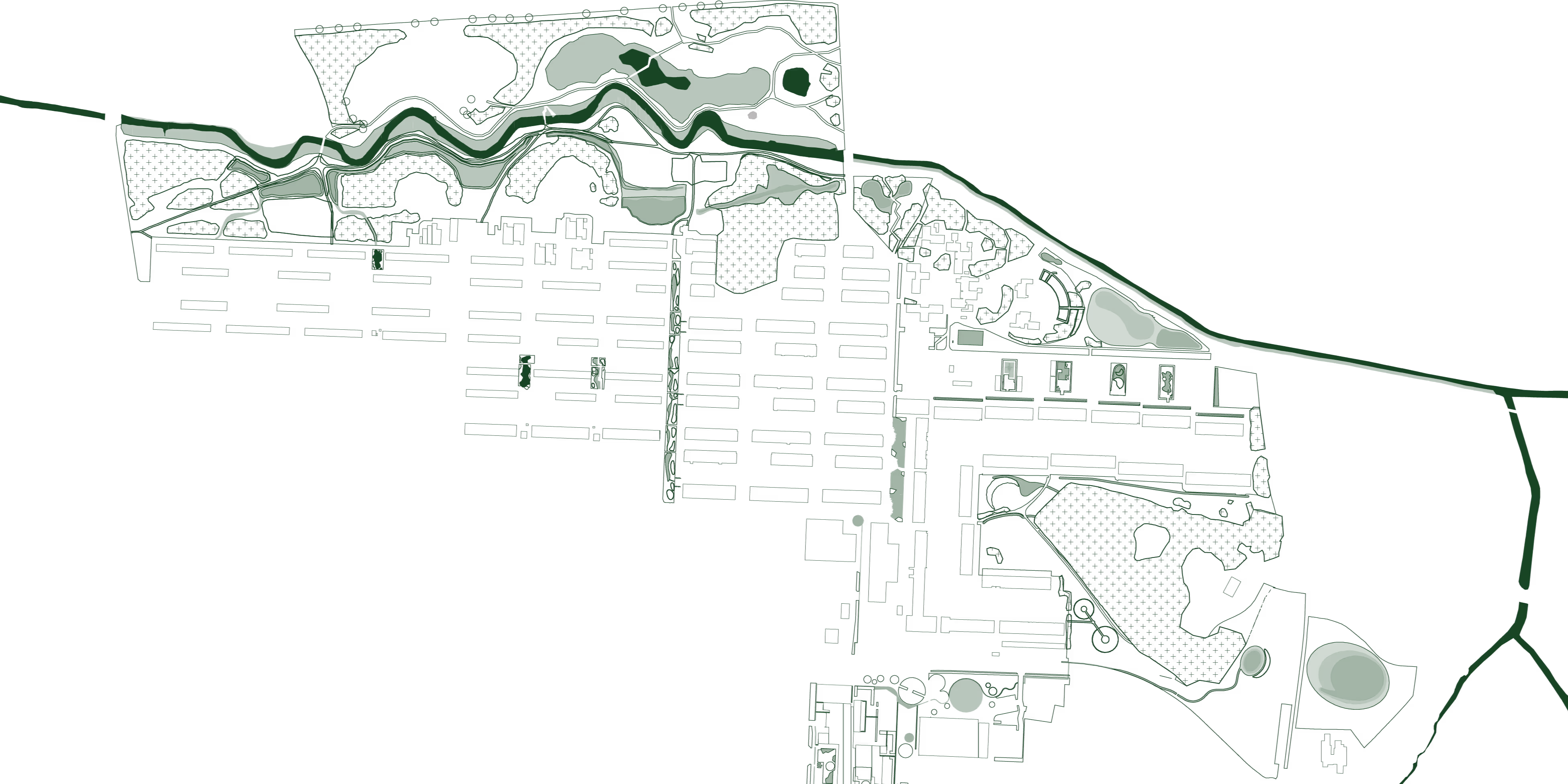
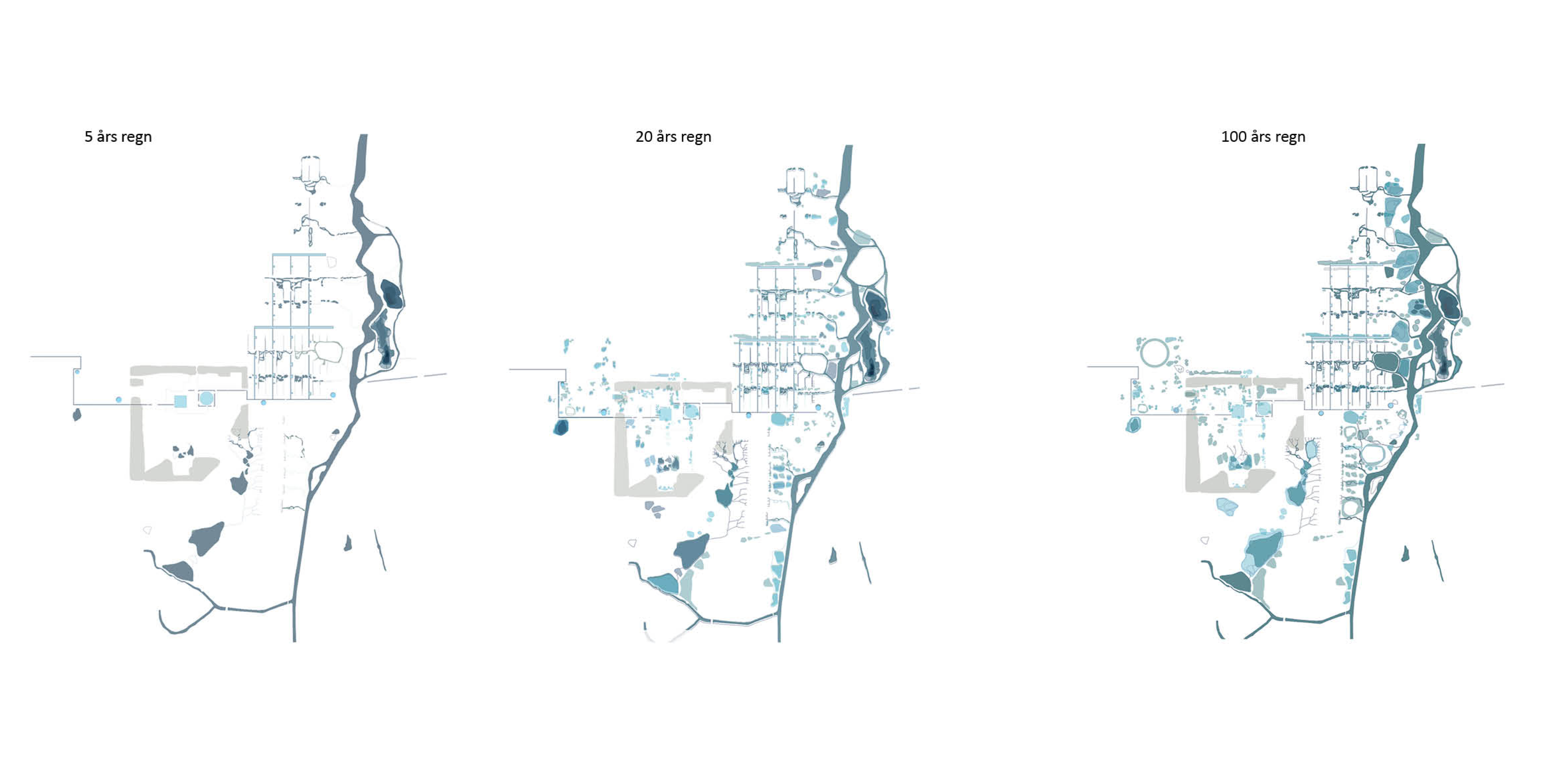
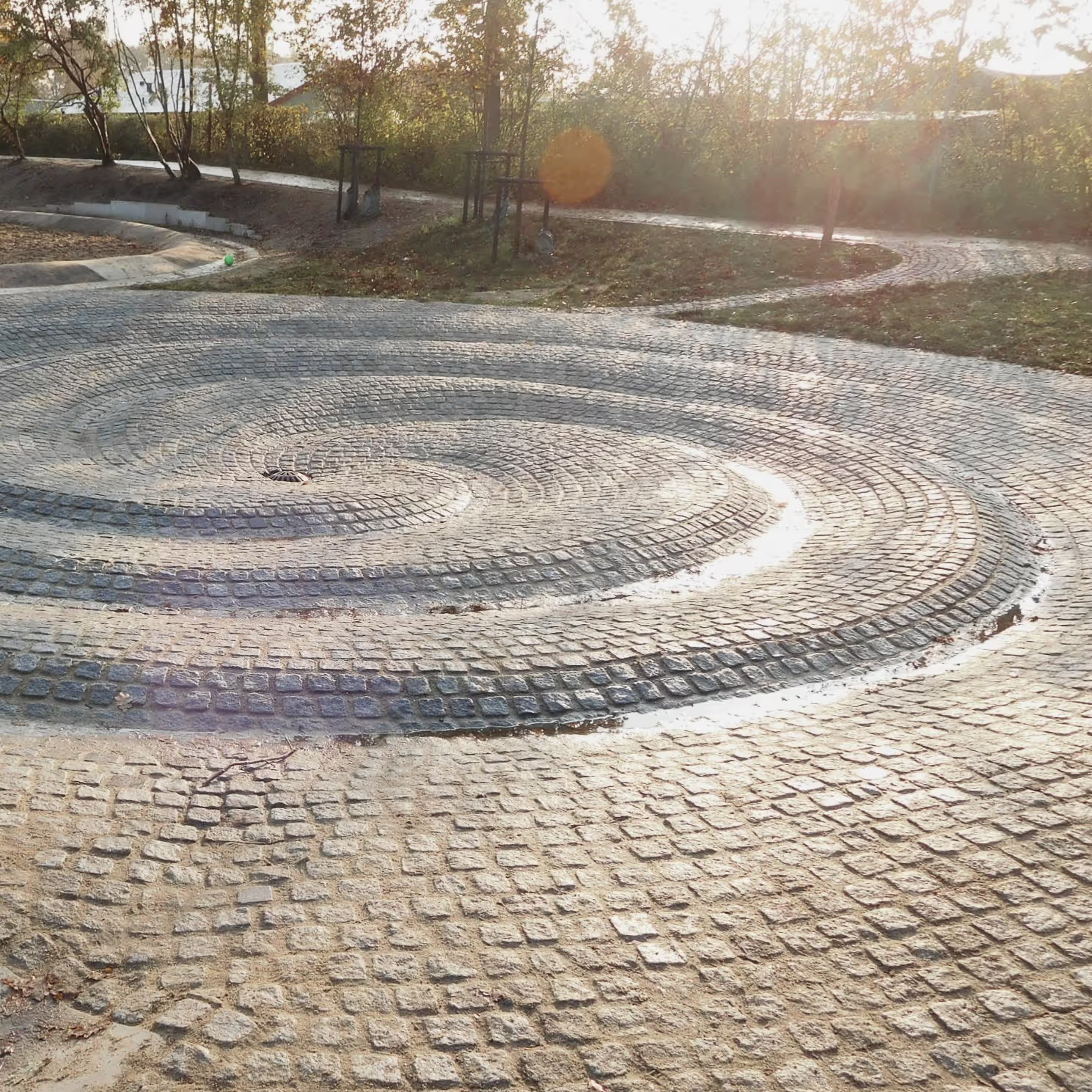
Rainwater is retained in basins that accommodate the expected volume of 5-year events. During larger rain events, surplus water is controlled and redirected to avoid damage. A coherent terrain-based system channels the water from rainfall into smaller basins, through channels and ditches, into larger basins, and finally into the Usserød Stream – being purified along the way in rain gardens and sedimentation pools.
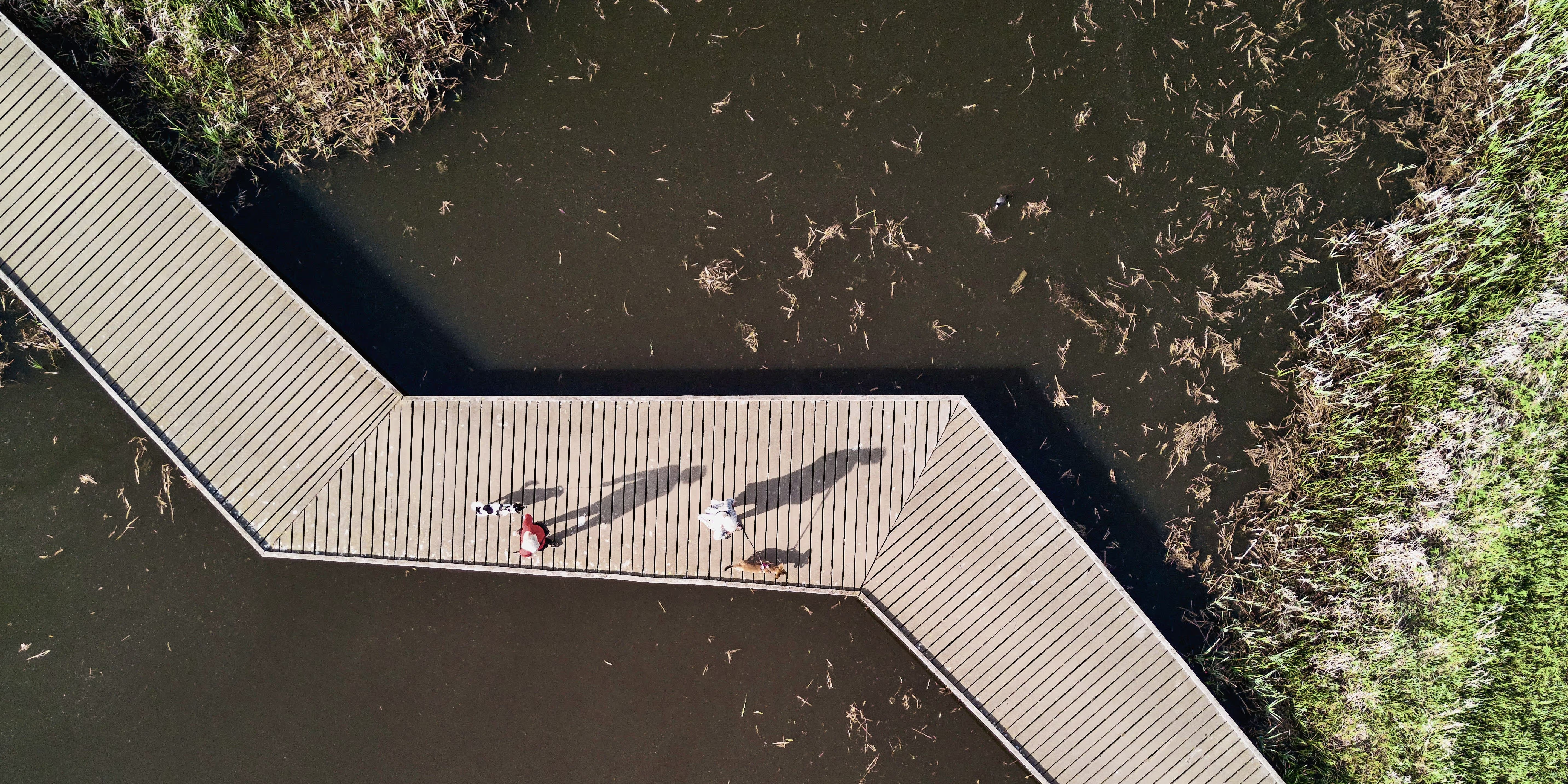
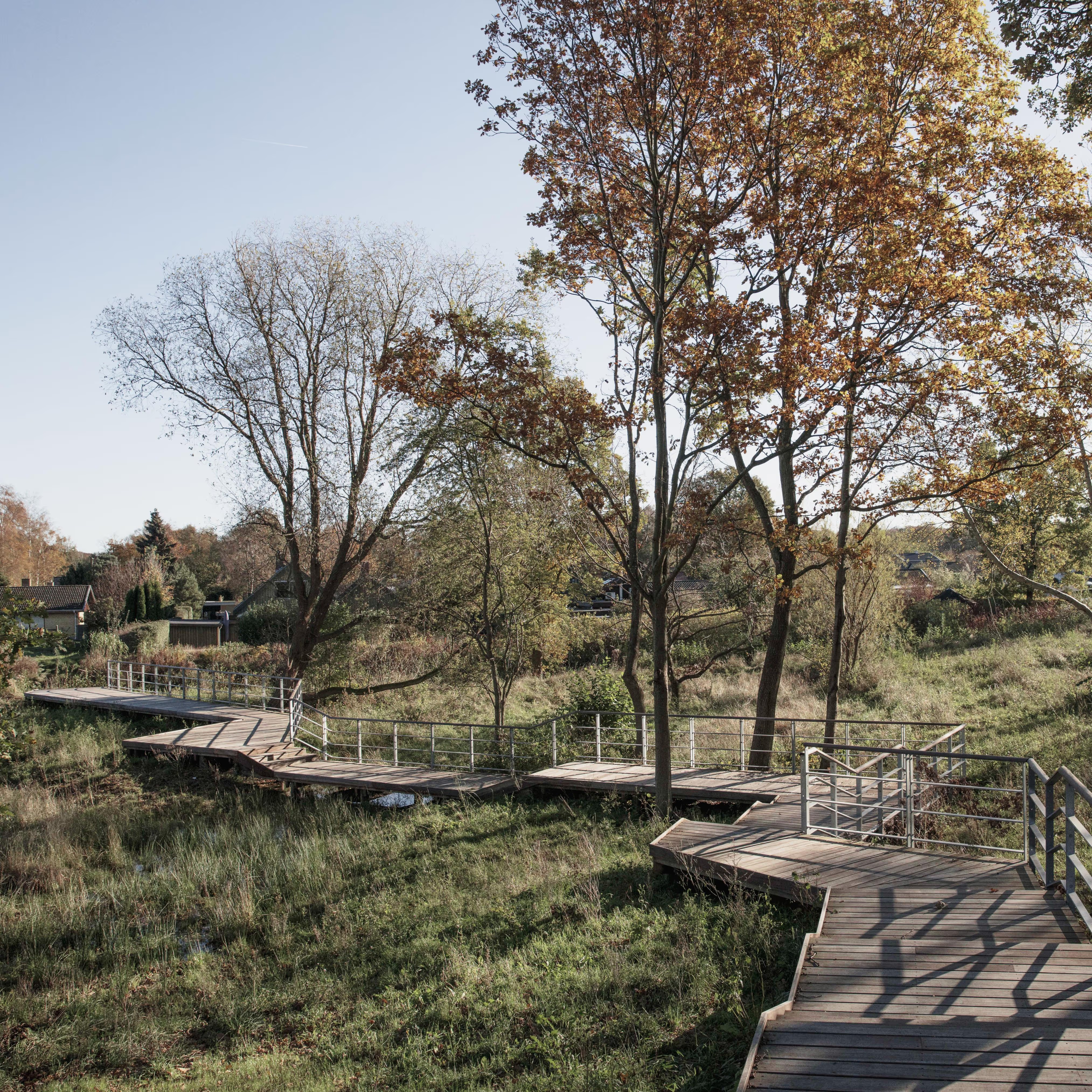
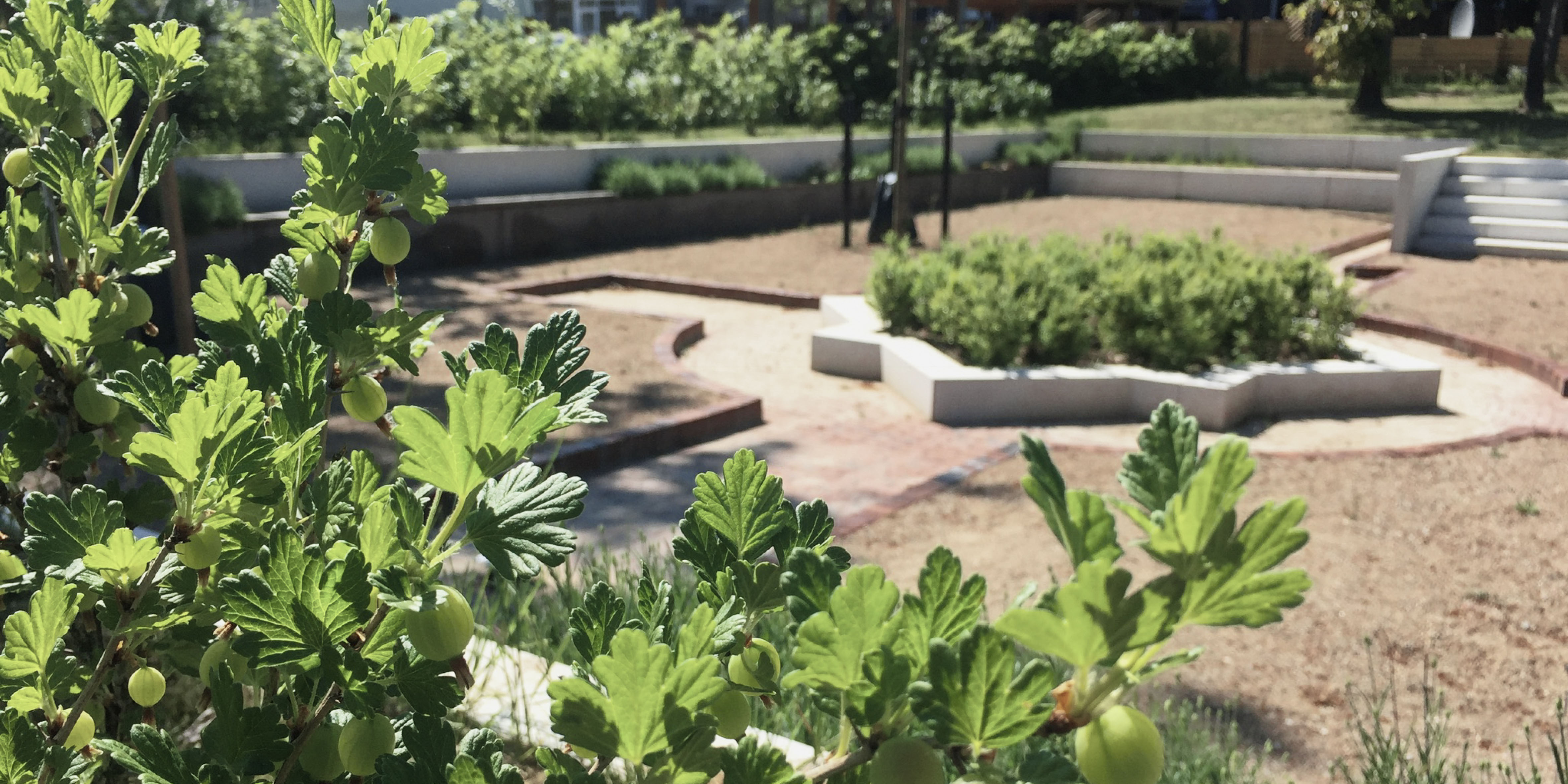
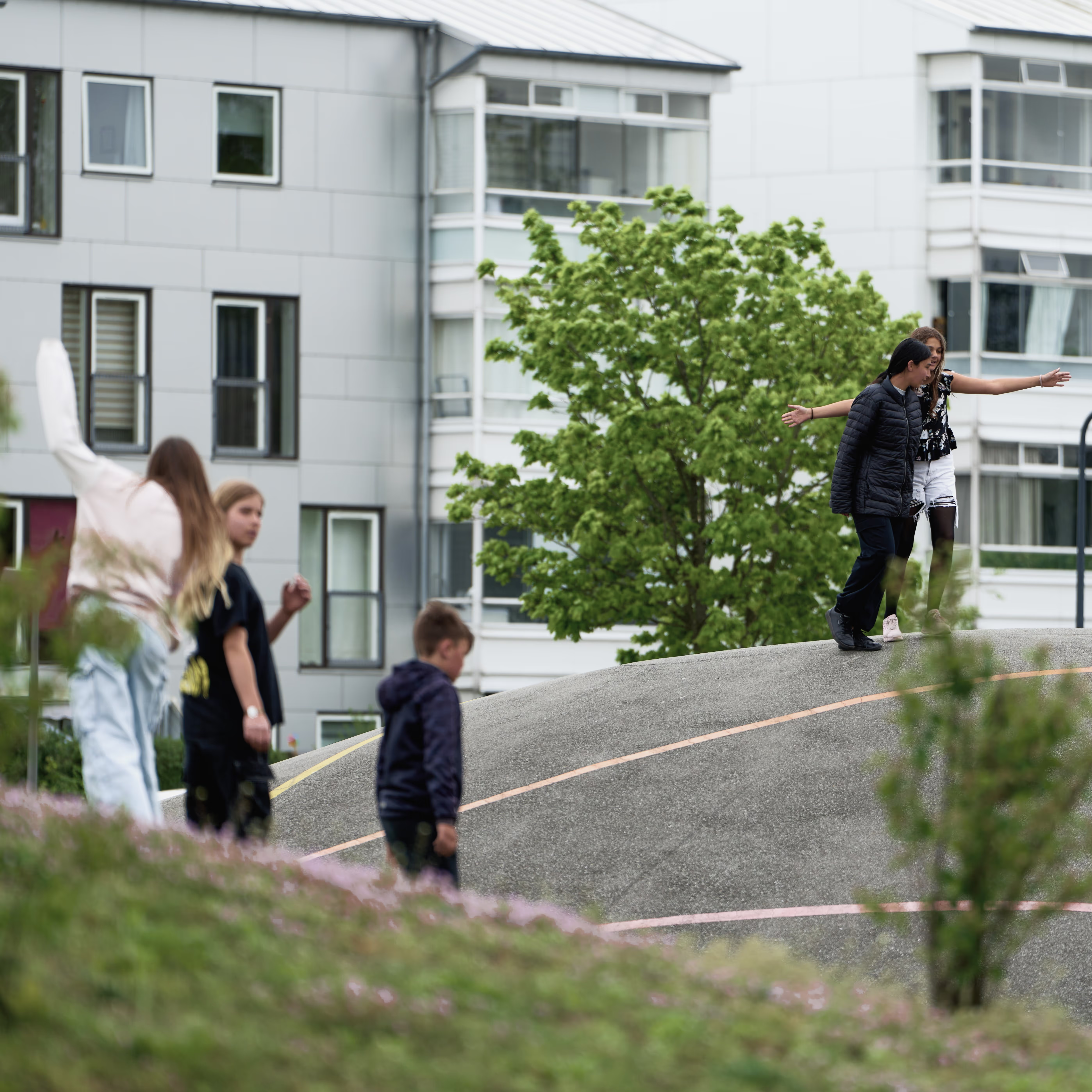
The new urban and landscape spaces provide gardens, activity areas, nature playgrounds, exercise trails, and outdoor learning environments for schools’ science classes – strengthening both neighborhood bonds and local pride. Kokkedal has become an example of how climate adaptation can unite beauty, technical robustness, and social communities.
.avif)