CONCITO: Future Land Use
A scenario model for open-land zones
Project
Future Land Use – A scenario model for open-land zones Northwest of Aarhus
Client / Contracting authority
The Think Tank CONCITO
Role
Lead Consultant. Analysis, citizen surveys, vision and communication (exhibition model)
Ingeniør
Other partners
Rikke Høier Jeppesen, Anthropology student, Aarhus University
Status
Delivered October 2024
Outdoor area
Awards
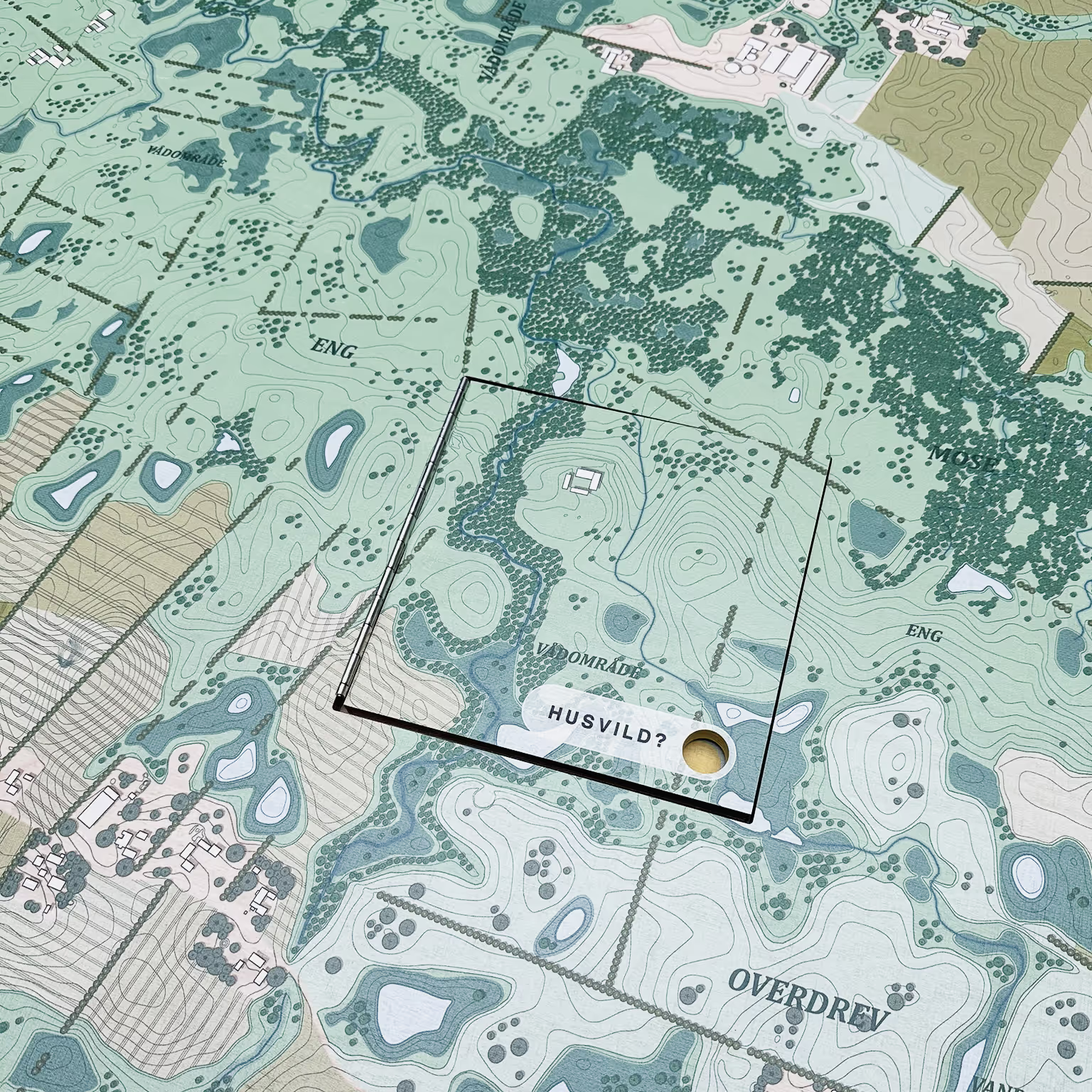
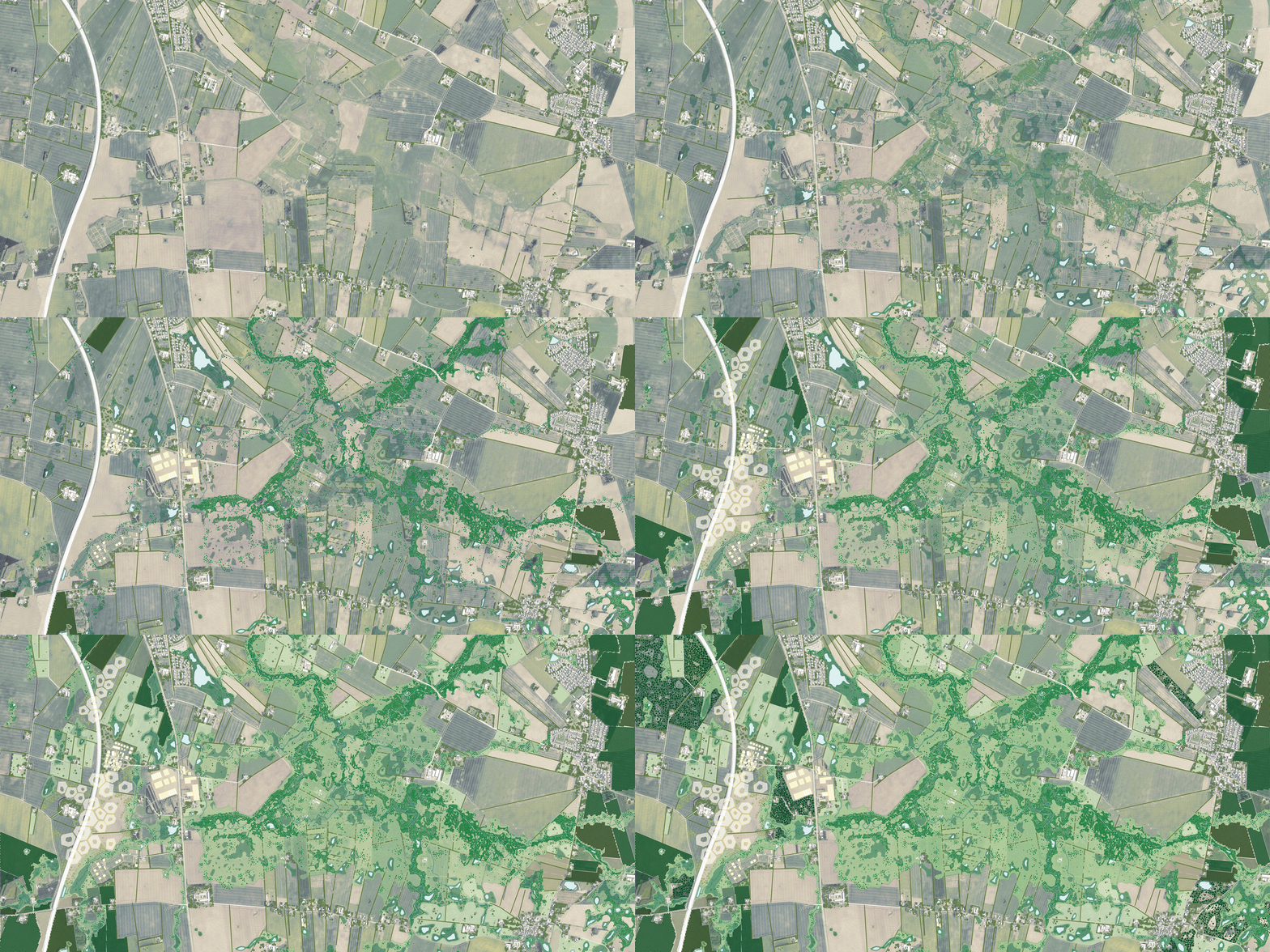
In collaboration with the think tank CONCITO, Schønherr has developed a scenario model that translates the analysis from the Future Land-Use project into a specific proposal for a transformed landscape. The scenario model utilises planning tools of our studio – tailored to municipalities, organisations, and clients who wish to work strategically with sustainable development and the landscapes of the future.
The model exemplifies an area northwest of Aarhus – a typical cultivated Danish landscape comprised by villages, motorways, and intensive agriculture, where future transformations will take place as well.
The land-use dilemma is vital for solving the biodiversity and climate crises. If we wish to ensure a climate-positive and biodiverse Denmark, it is necessary also to account for drinking water, energy, and food supply as part of our quality of life. This requires major changes – but also strong visions that merge nature, production, and everyday life.
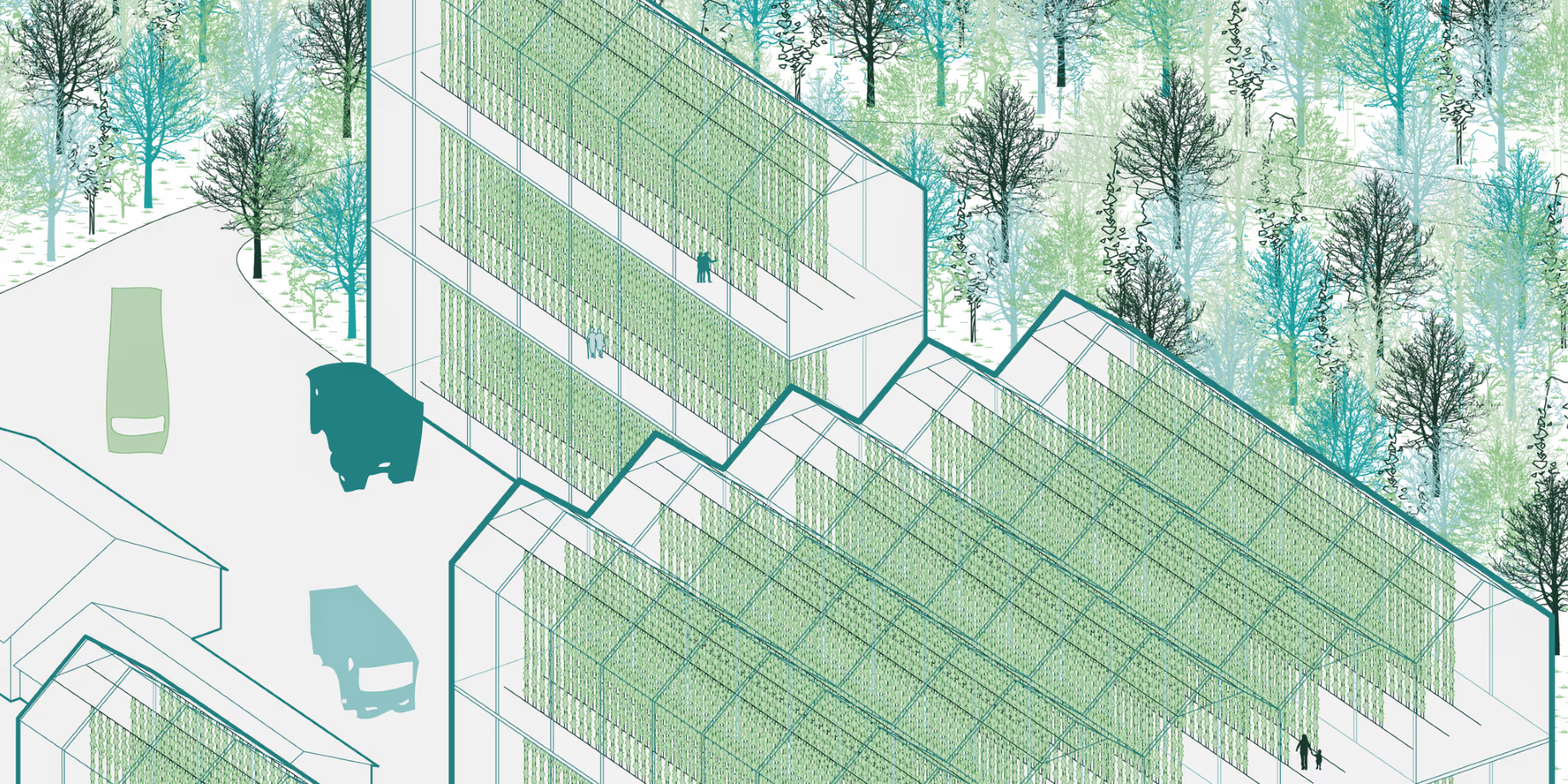
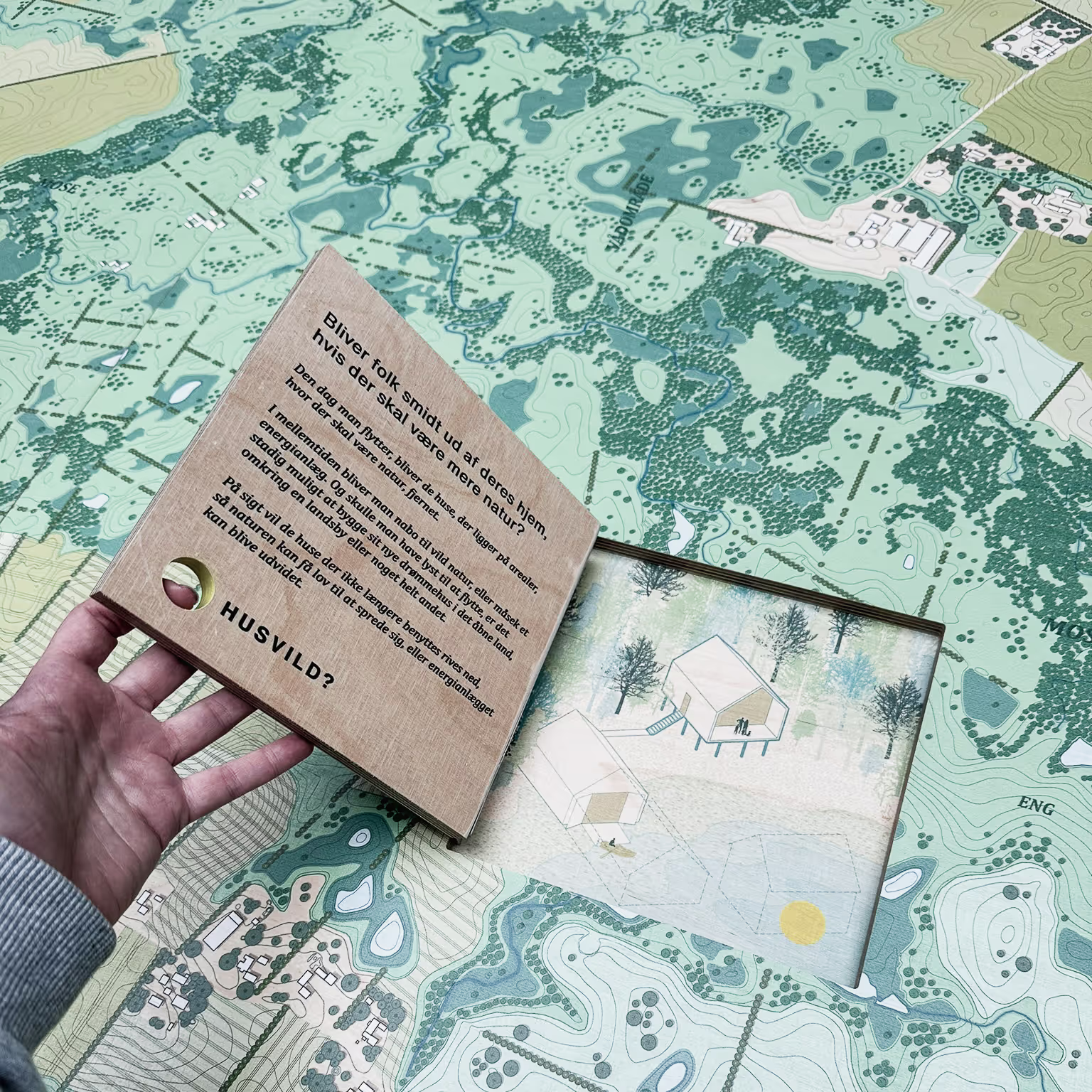
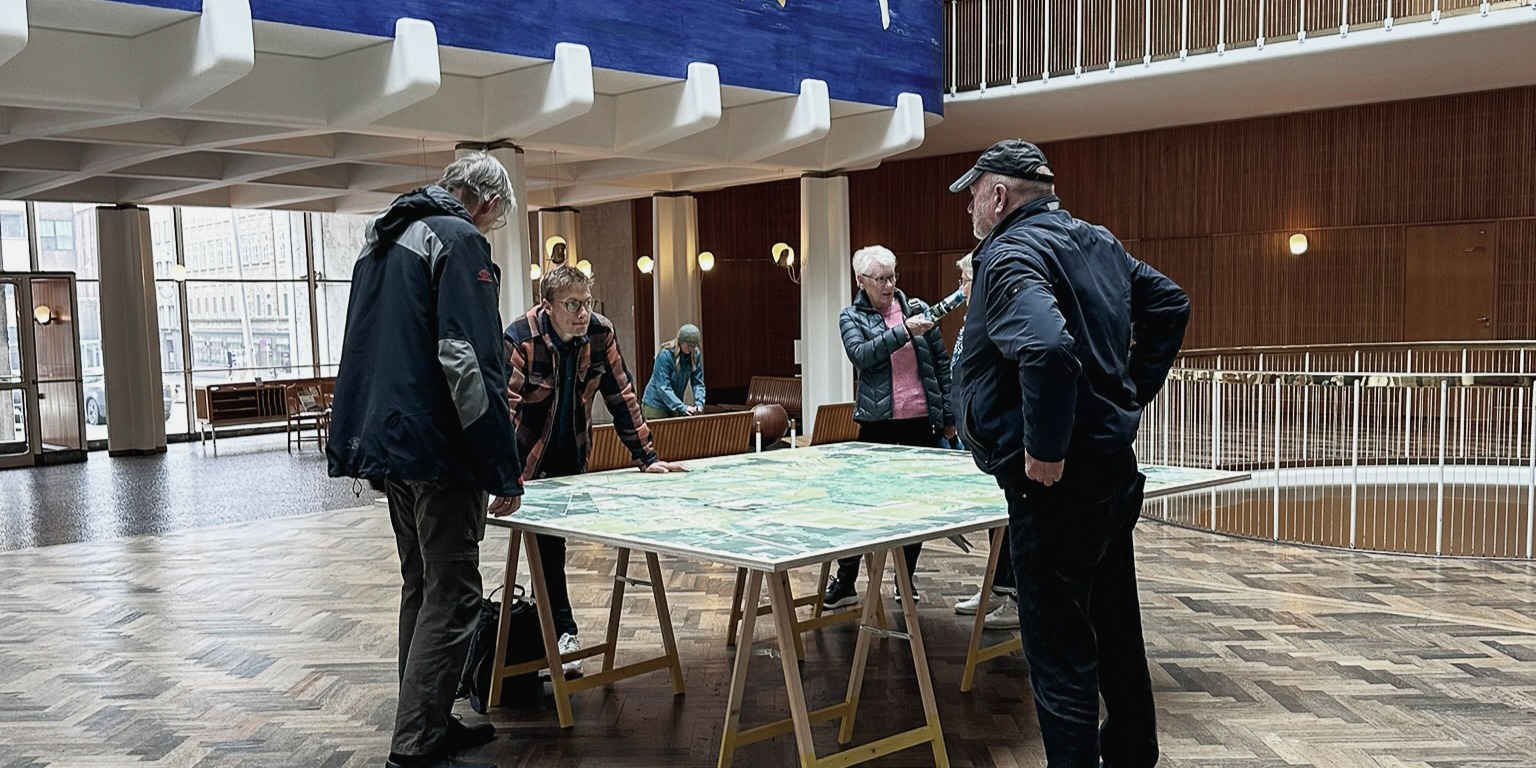
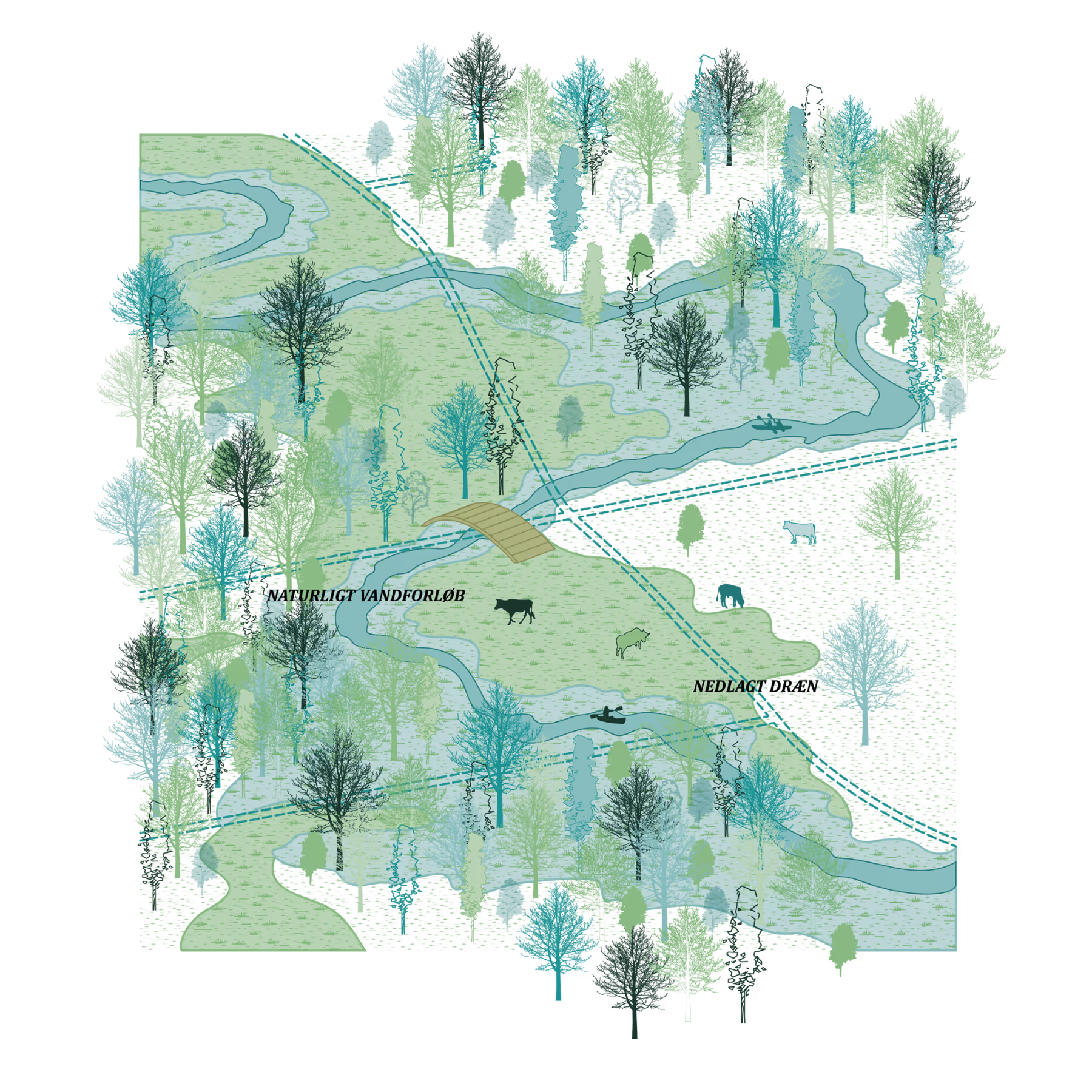
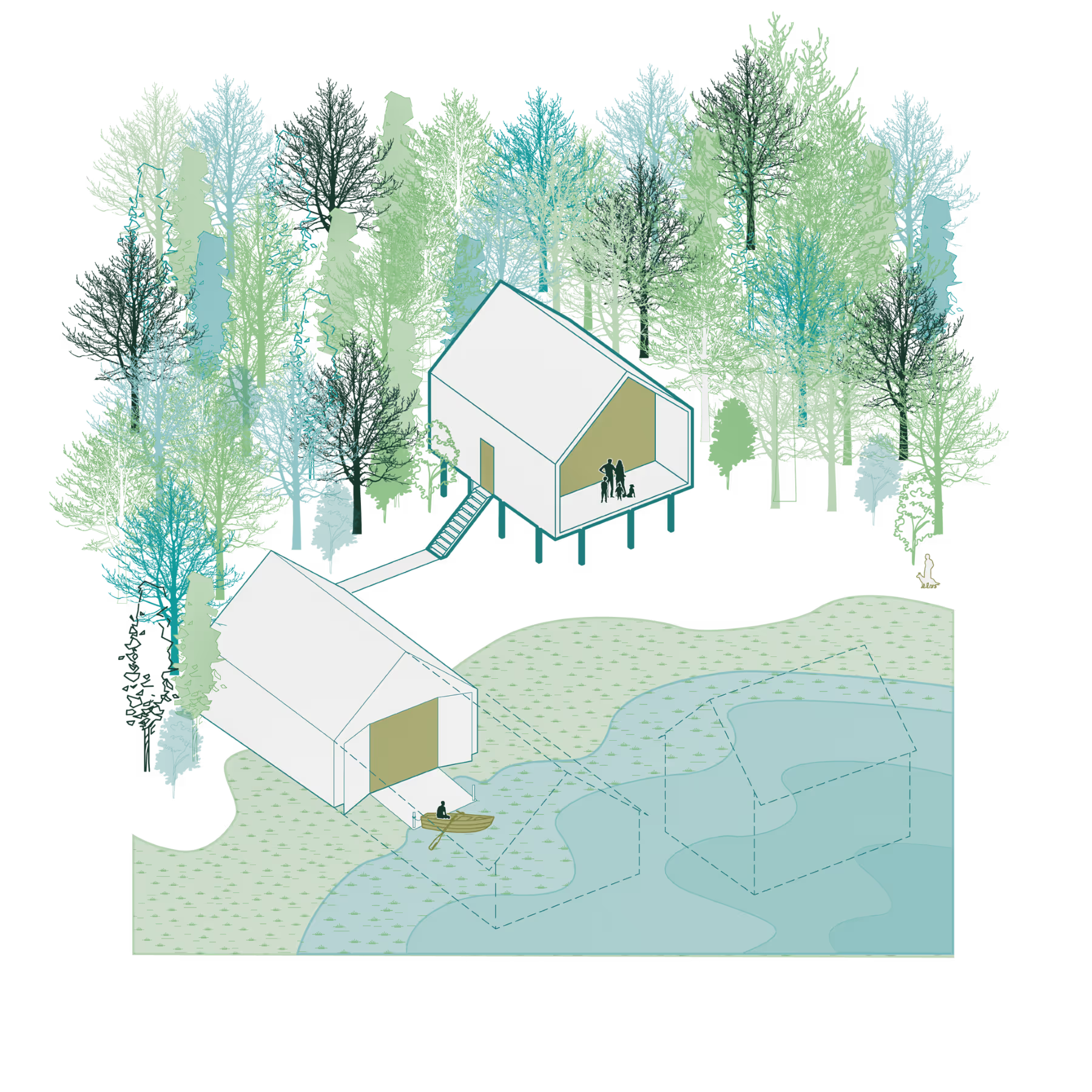
The scenario illustrates a landscape in which expanded village structures, interconnected natural areas, and river systems create a new balance between people and nature. The model is designed as a conversation arena: behind small windows questions invite users, planners, and decision-makers into a broad democratic debate about the future landscape.
Working in parallel, anthropological studies have shed light on how major physical changes are experienced in local communities. Thus, technical analysis are combined with human experiences – pointing towards sustainable planning where landscape beauty, identity, and community become fundamental values in the welfare society of the future.