Fredensborg Castle Garden
Restoration of the baroque garden
Project
Fredensborg Palace Garden – restoration of the palace’s baroque garden and Europa Nostra cultural heritage
Client / Contracting authority
Danish Agency for Culture and Palaces
Role
Lead consultant – competition proposal, detailed design, construction management, project follow-up, and site supervision
Ingeniør
Other partners
Andersen & Grønlund, landscape architect Annemarie Lund, F.J. Poulsen
Status
Completed 2013
Outdoor area
65,000 m²
Awards
The European Heritage Award 2021, awarded by the international heritage association Europa Nostra
Construction cost (landscape)
15 million DKK
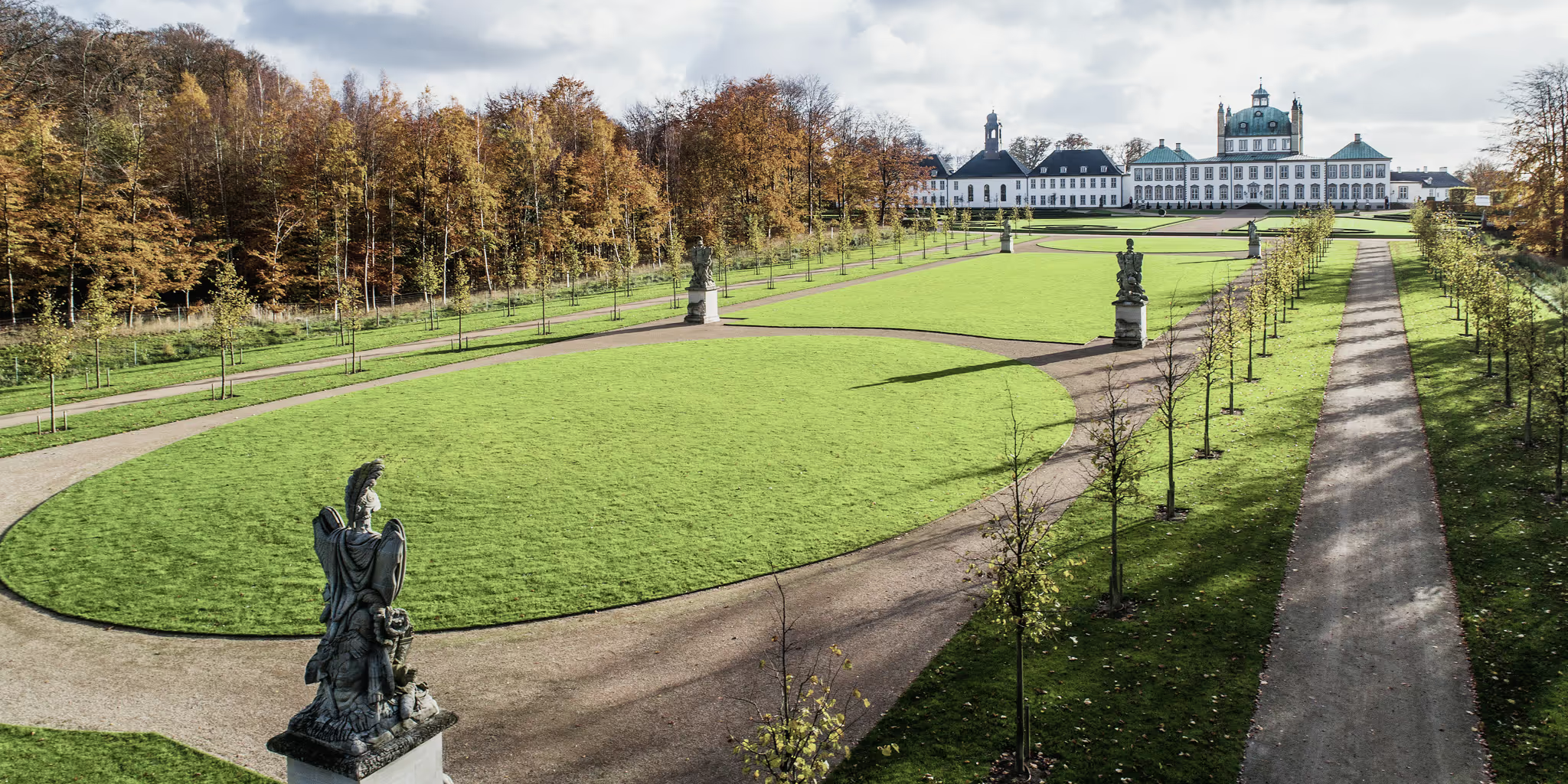
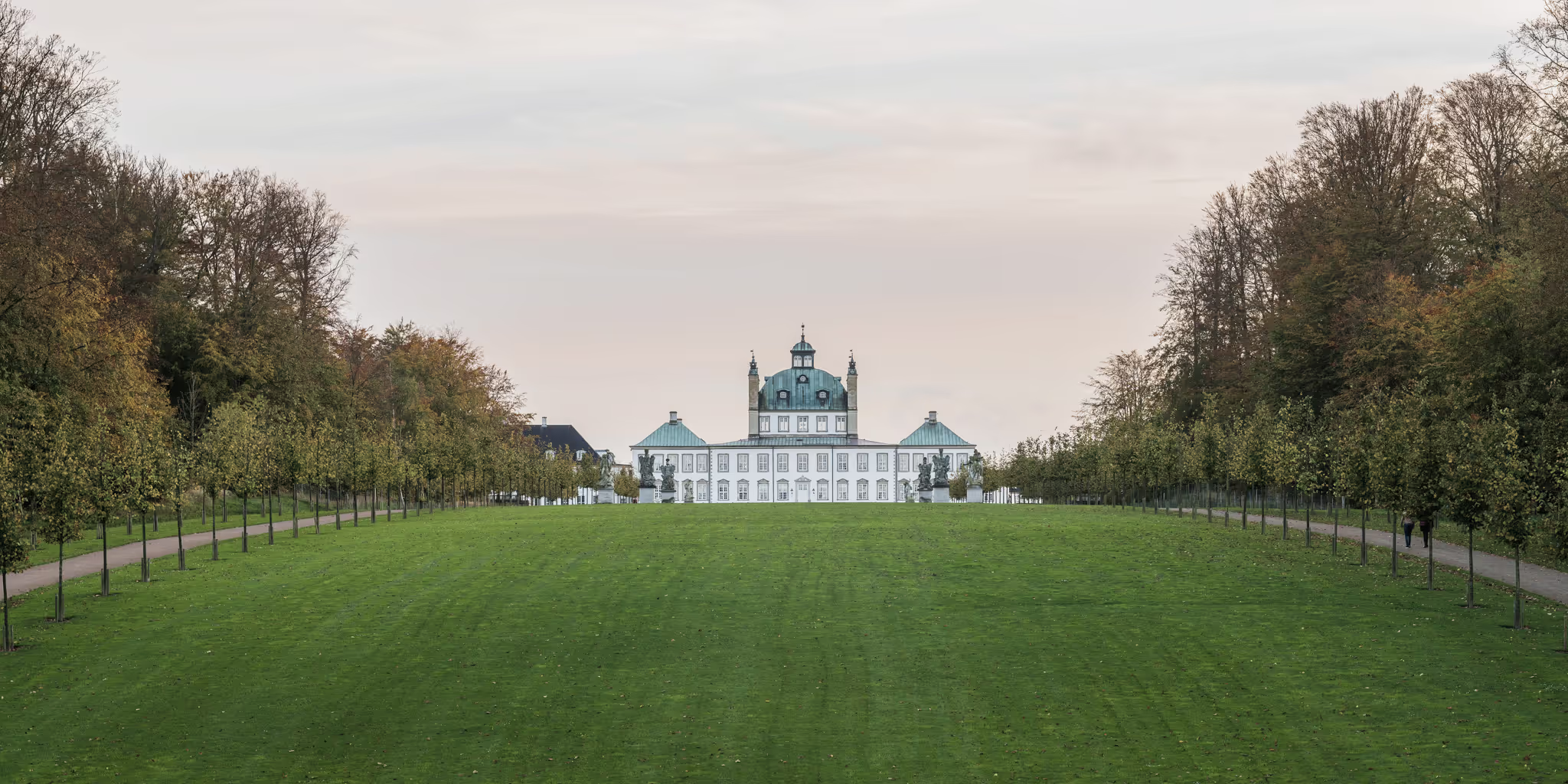
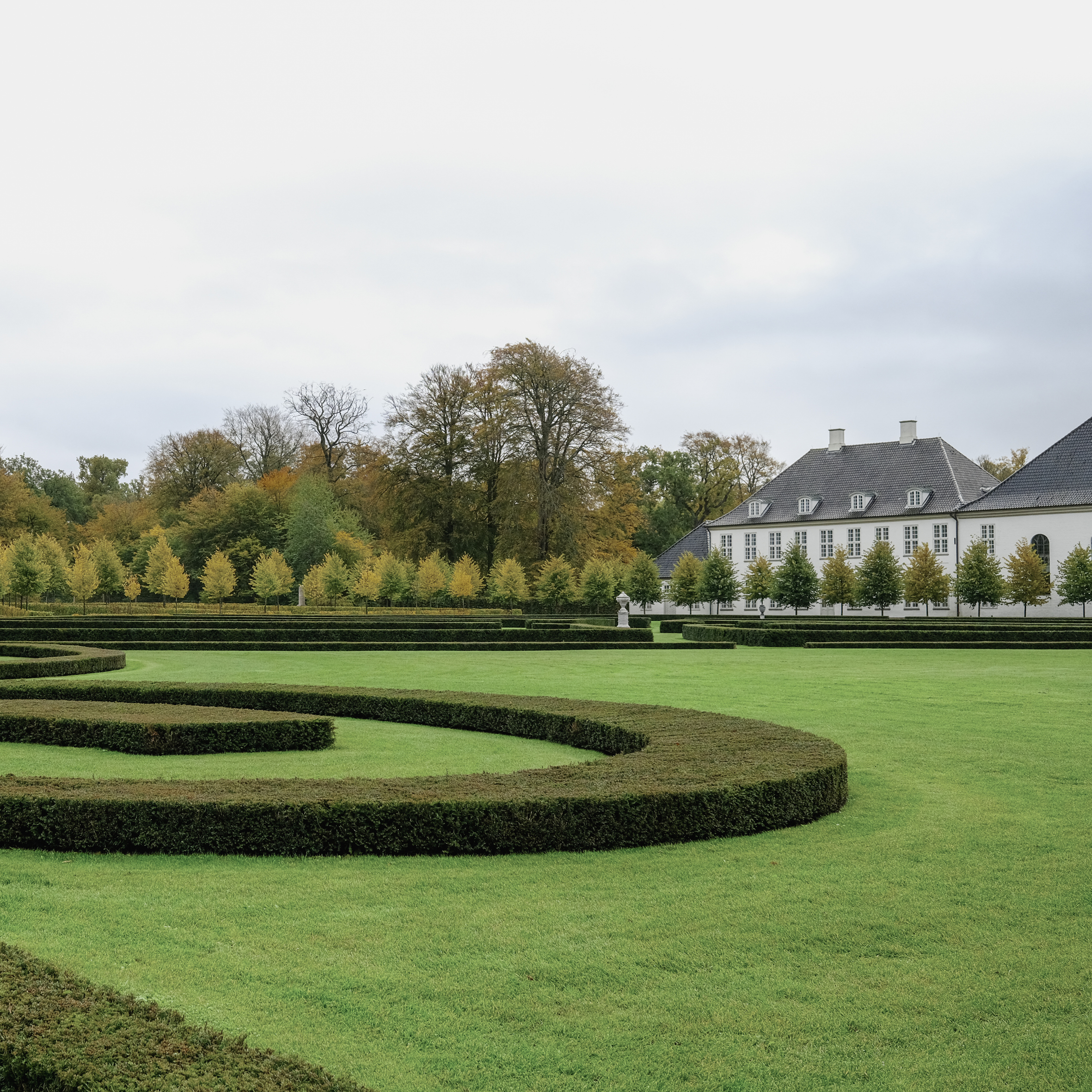
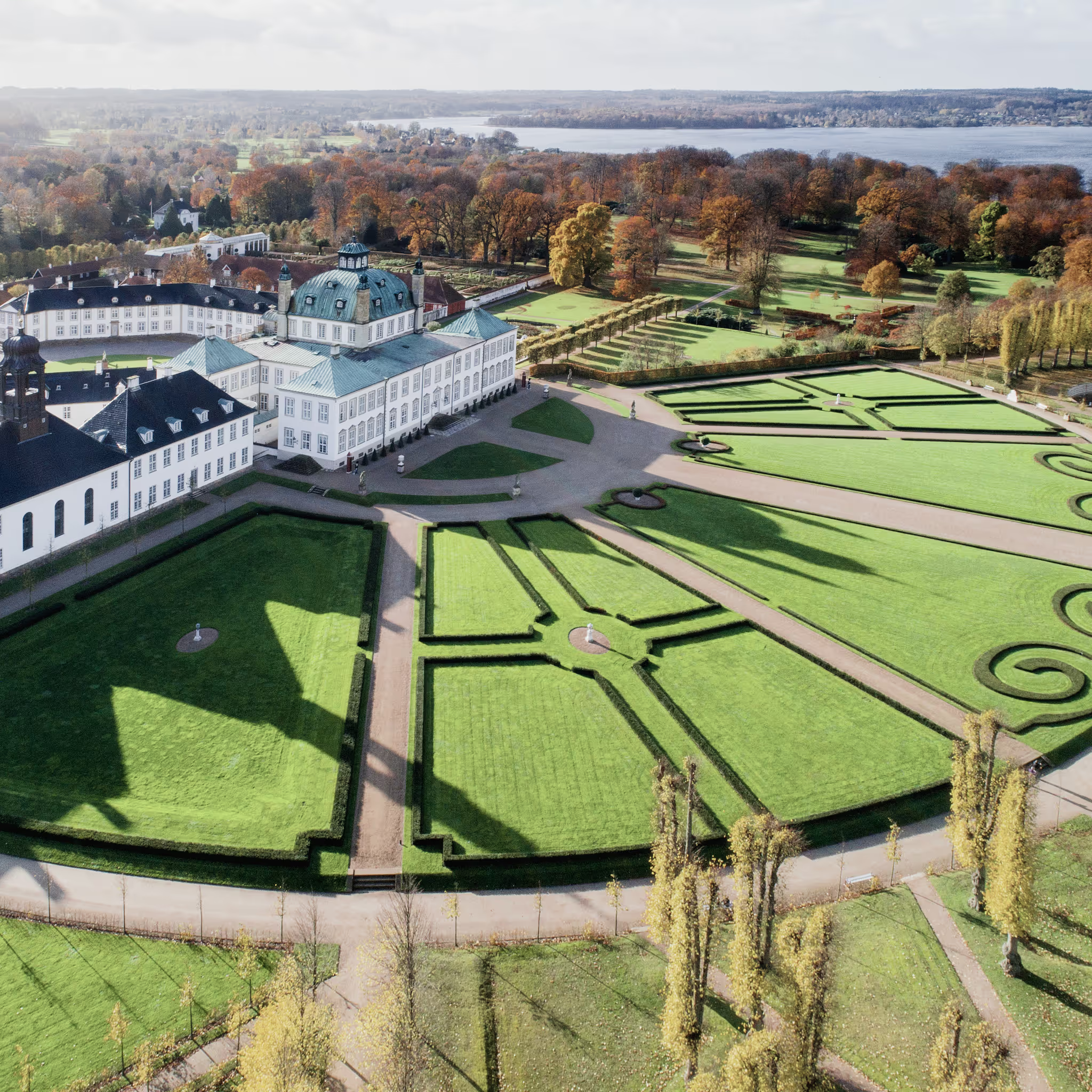
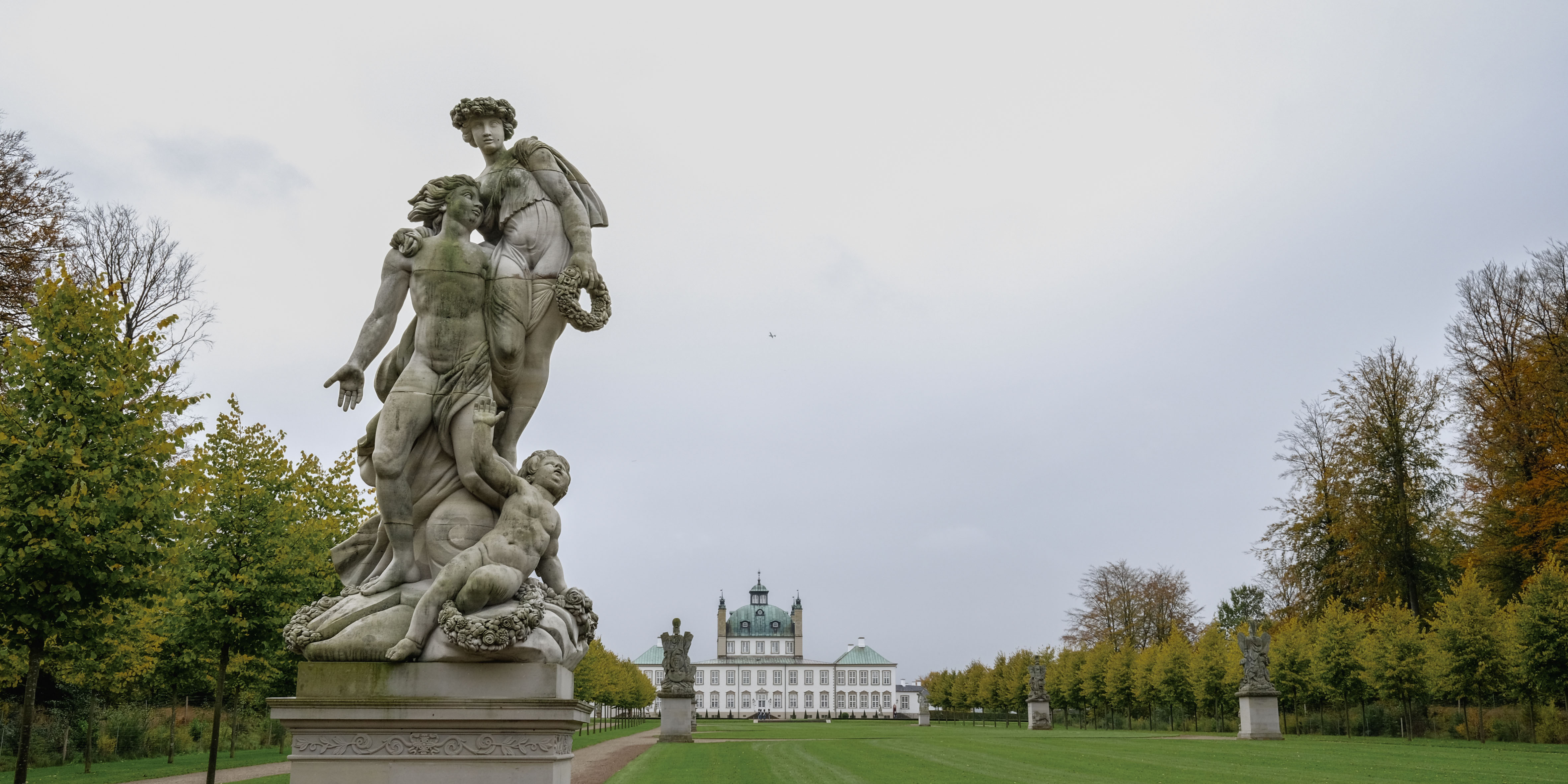
Schønherr’s work on Fredensborg Palace Garden is a precise and quietly authoritative reinterpretation of the original design, re-establishing the spatial and visual interplay between the palace, sculptures, garden, lake, and the surrounding landscape. Initiated by the Danish Agency for Culture and Palaces in 2009, the project was completed in 2013 as part of a larger restoration strategy for the gardens of the Danish royal residences.
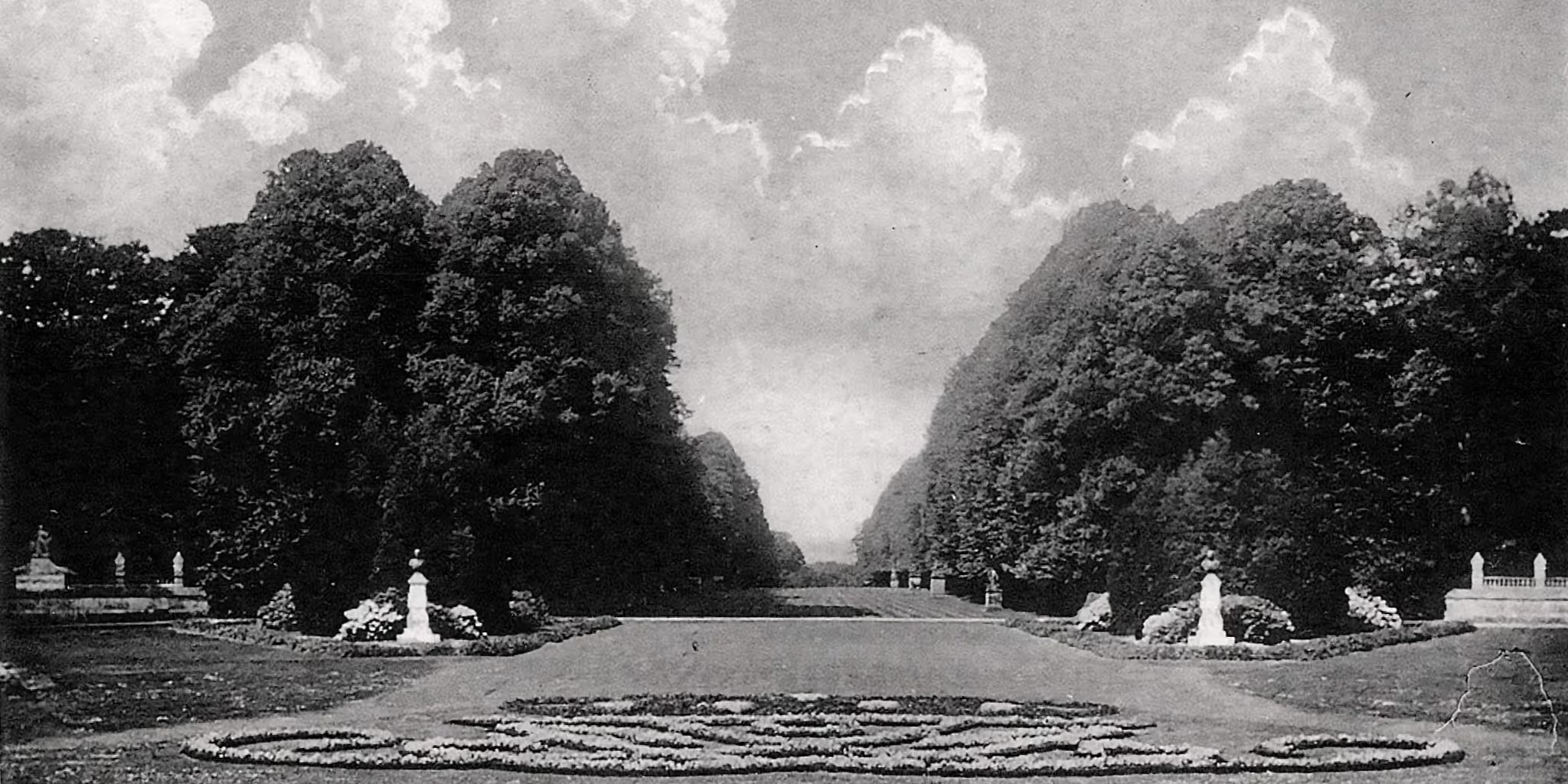
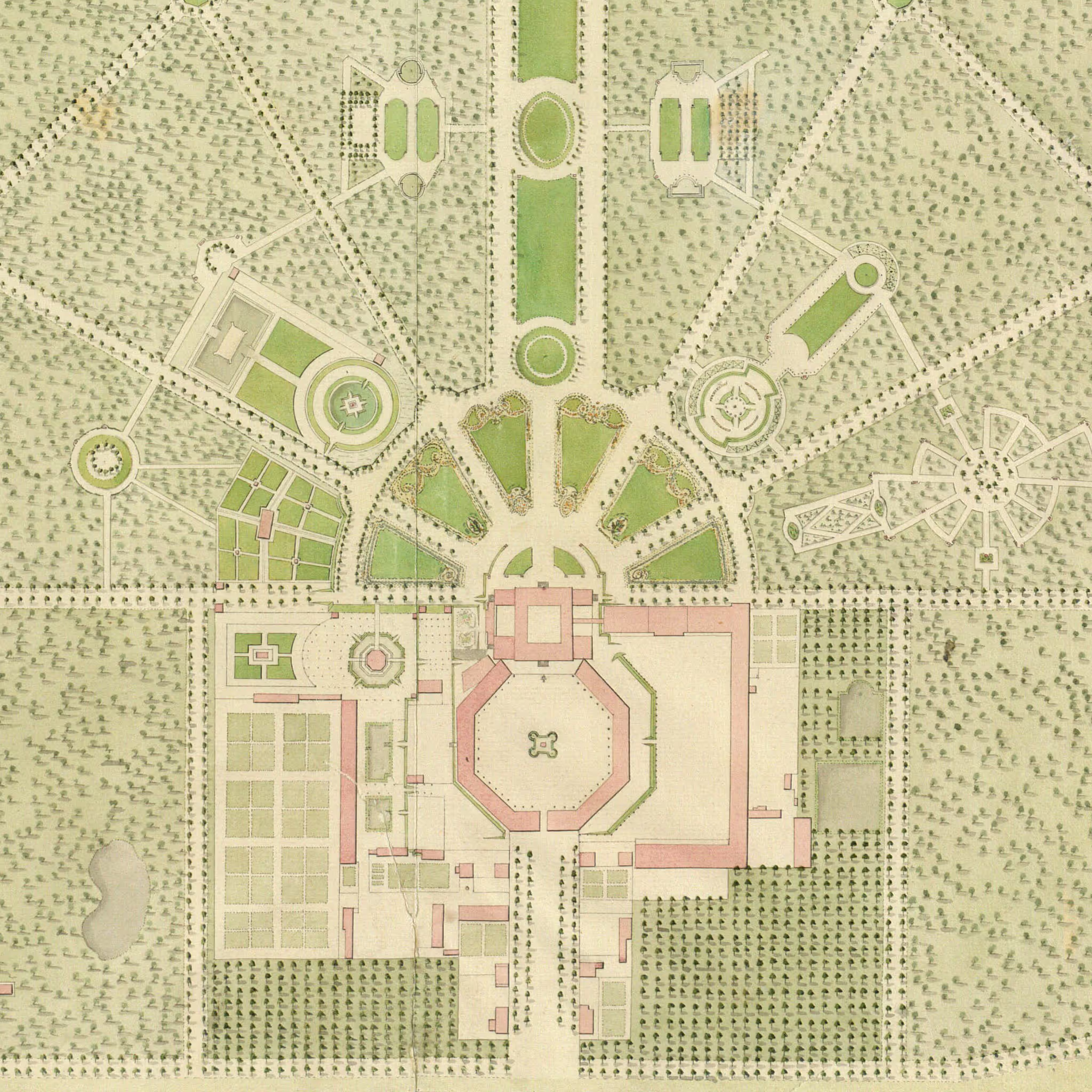
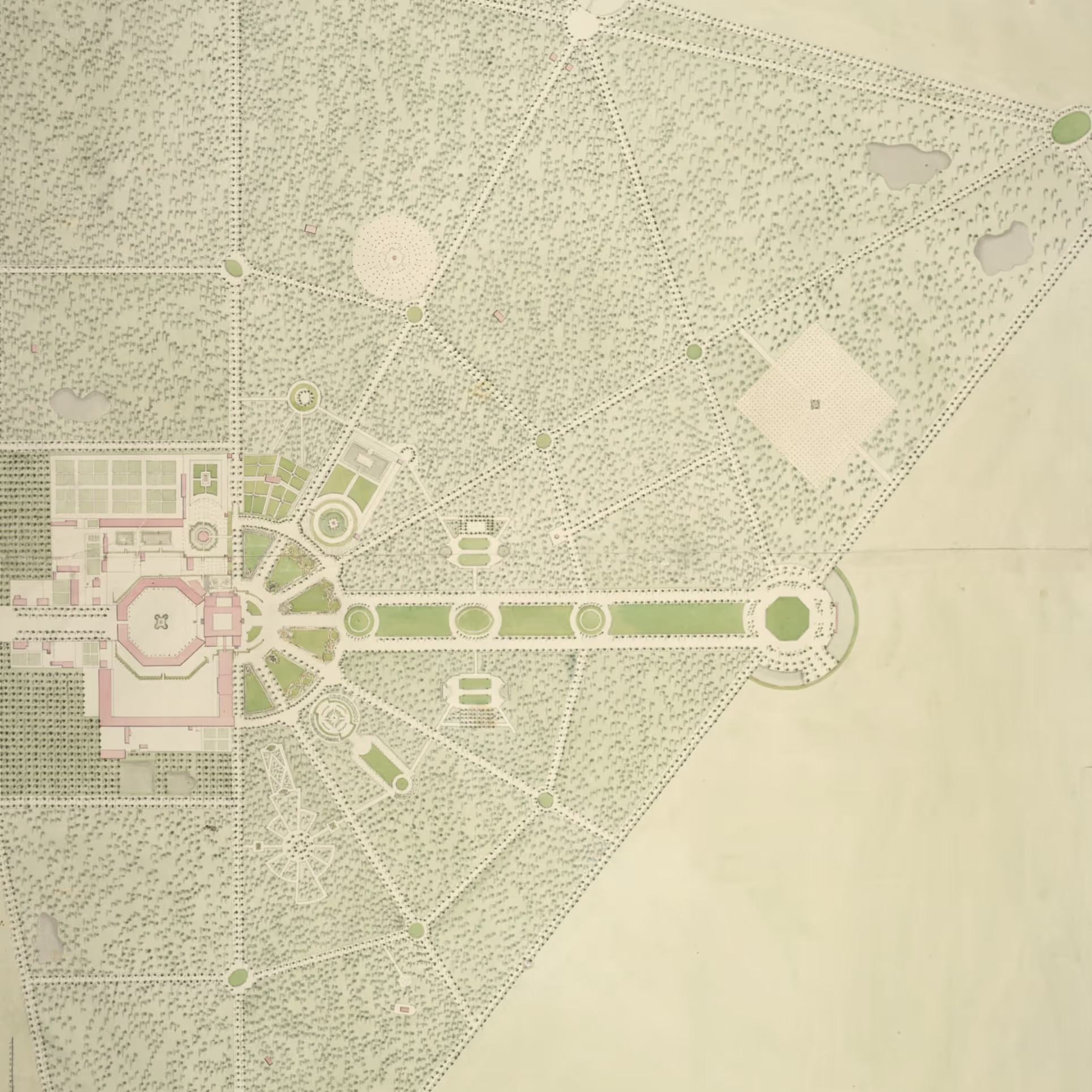
The garden was originally laid out in the 18th century as a baroque design under King Frederik IV, but over the centuries it gradually became fragmented and simplified. Schønherr’s intervention has restored the sense of a coherent whole – not as a reconstruction, but as a site-sensitive and contemporary interpretation. One of the project’s central aims was once again to highlight the impressive Gesamtkunstwerk that originally encompassed the palace, the garden, the sculptures, and the landscape design.
Based on analysis of old maps, archive material, surveys, topographic data, and archaeological excavations, the project has become a modern landscape architectural masterpiece. More than 1.200 metres of avenues have been recreated or reinforced, 300 newly planted linden trees and large grass and gravel surfaces re-established with respect for the historical terrain levels. The previously unresolved course of Brede Allé has been addressed with a bold yet subdued intervention, which concludes and stages the palace garden with the palace itself as the culmination.
The result is a long-lasting landscape that unites historical continuity with contemporary needs for management, aesthetics, and sustainability.